
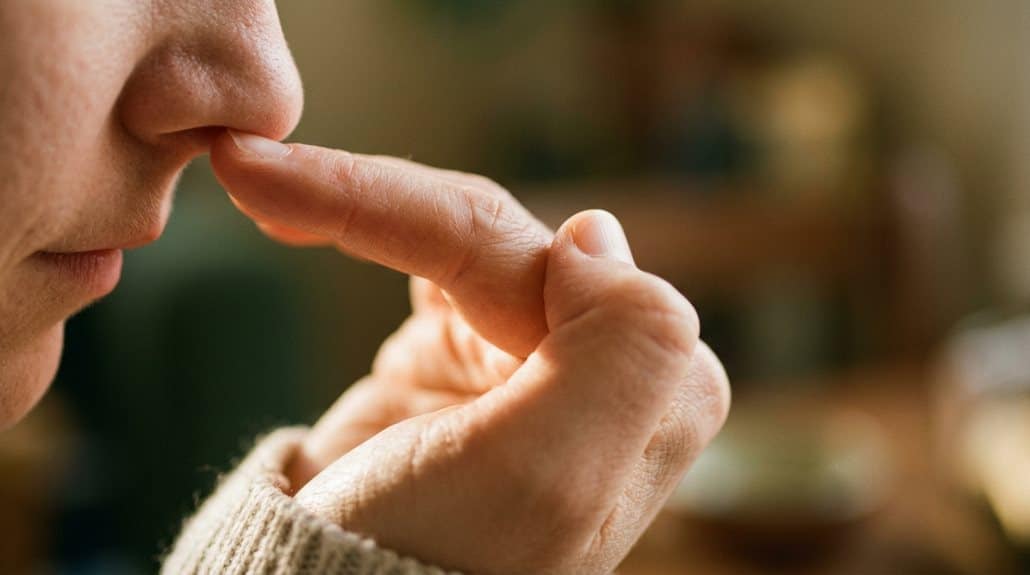
Nose itching often carries superstitions that vary across cultures, usually signaling luck, gossip, or upcoming changes. For example, itching on the left side may suggest a male visitor, while the right indicates female, or that you might hear some news. These beliefs are rooted in folklore but aren’t scientifically backed. Persistent itching, however, could indicate allergies or health issues. Understanding these differences helps you discern whether it’s just superstition or a sign to seek medical advice—more understanding awaits if you continue.
What Do Superstitions About Nose Itching Mean?
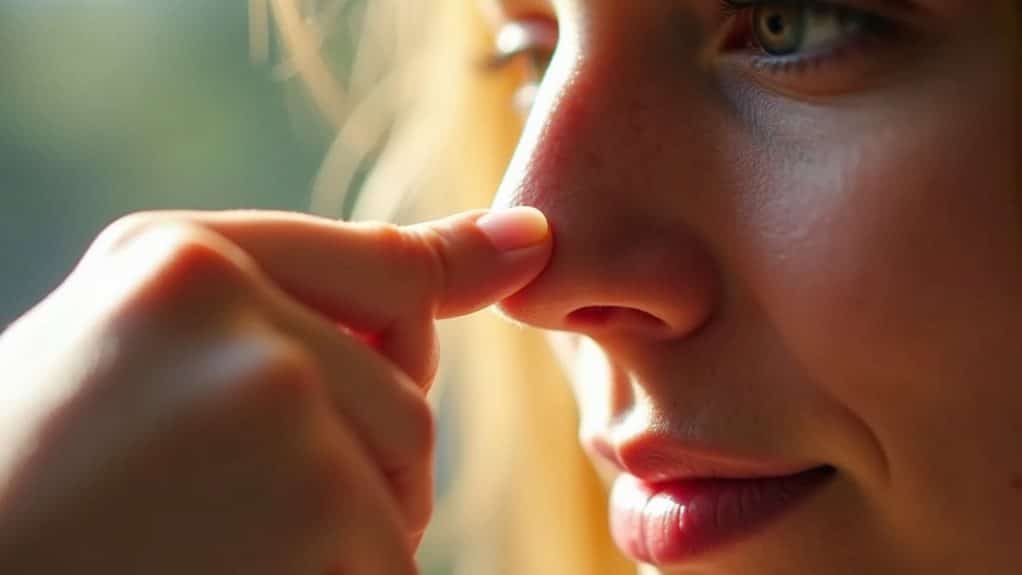
Superstitions about nose itching are often rooted in cultural beliefs that assign specific meanings to this common sensation.
An itchy nose can signal an upcoming visitor, with the left side indicating a male and the right side a female.
Some interpret nose signals as gossip or spiritual messages, while others see it as a sign of good luck or impending change.
In some traditions, a spiritual warning can also be seen as a sign to pay attention to hidden threats or negative influences.
How Cultural Beliefs About Nose Itching Differ Around the World
Cultural beliefs about nose itching vary widely around the world, often reflecting deeper societal values and traditional practices. In different cultures, superstitions link nose itching to symbolism, such as luck, social gossip, or upcoming events.
These interpretations stem from folklore and traditions, demonstrating how diverse beliefs shape perceptions of nose itching, with each culture assigning unique significance based on its customs and symbolism. In some traditions, even broken plate meanings are interpreted as signs of change, luck, or new beginnings.
How to Tell If Your Nose Itching Is Just Superstition or a Sign of a Medical Issue
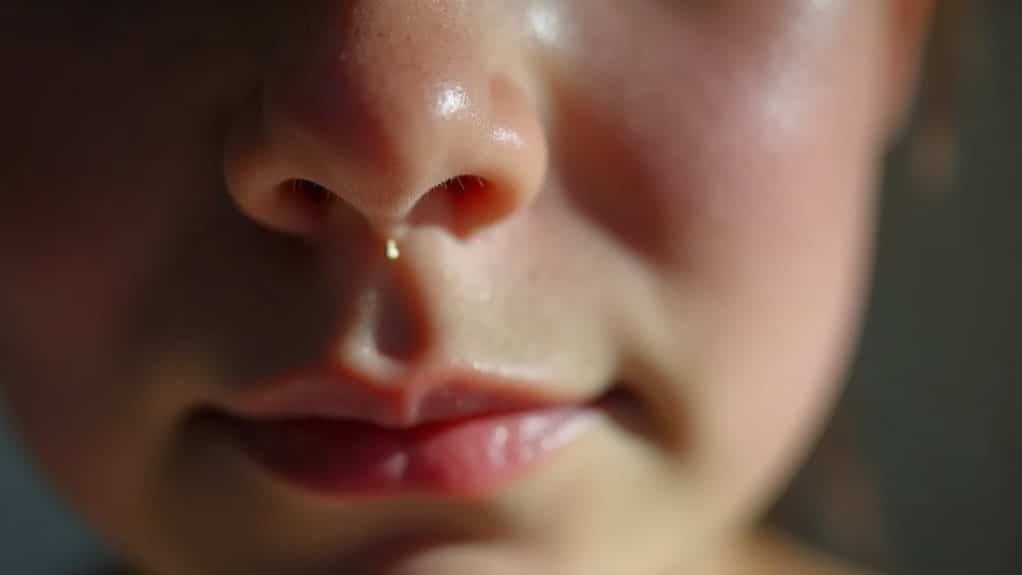
Determining whether your itchy nose is just a superstition or a sign of a medical issue requires careful observation of symptoms and their duration.
If the itching persists, worsens, or is accompanied by nasal dryness, discharge, or other signs like pain or bleeding, it may indicate medical issues such as allergies or infections.
Seek medical advice for proper diagnosis, not superstition meaning. Dreams can also serve as a subconscious voice signaling when something in your life needs attention.
What Medical Conditions Cause Nose Itching and When to Seek Help
Nose itching can stem from a variety of medical conditions, each with distinct causes and implications. Allergic rhinitis, triggered by pollen or dust, often causes persistent nasal itchiness.
Nonallergic rhinitis from irritants like smoke results in similar symptoms.
Nasal dryness, caused by low humidity or medications, may also lead to discomfort.
Seek medical help if symptoms worsen or include facial pain or discharge. In some cases, a tick-repellent treatment is noted in product materials as a practical feature, though it is not a medical solution for nasal itching.
How to Differentiate Between Superstitions and OCD-Related Nose Itching?
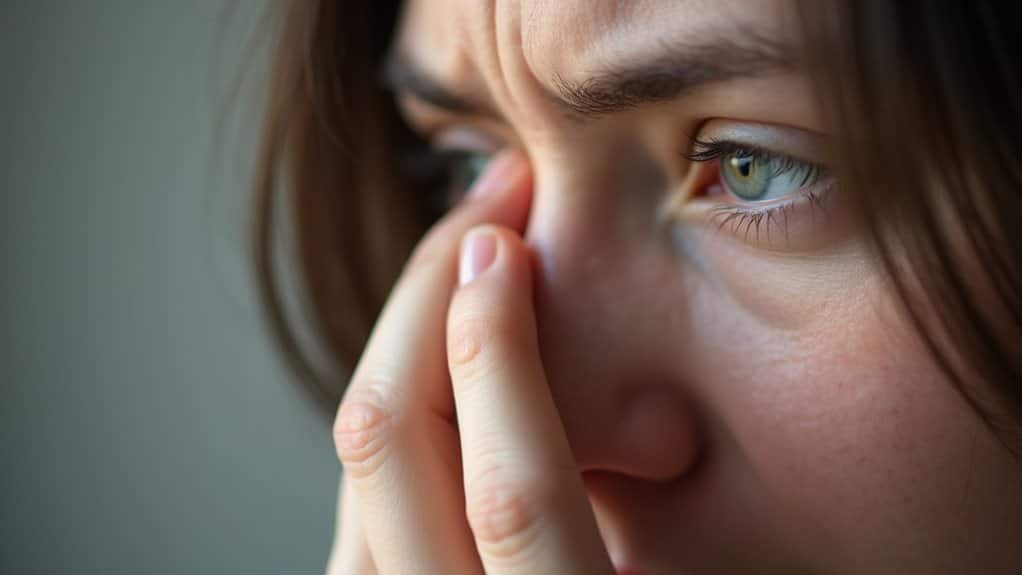
When evaluating nose itching, especially if it becomes persistent or bothersome, it’s important to contemplate whether the cause is rooted in superstition or a psychological condition like OCD.
To differentiate, look for compulsive behaviors, intrusive thoughts, and reassurance seeking, which indicate OCD, versus the temporary, benign nature of superstitions.
Patterns of ritualistic scratching often signal an underlying distress.
Wrapping up
Understanding whether your nose itching is rooted in superstition or medical issues requires careful observation. While cultural beliefs link nose sensations to luck or fate, physical causes like allergies or skin conditions are more common. Differentiating between a superstition-driven itch and OCD-related behaviors involves evaluating consistency and setting. Recognizing these distinctions helps you decide when to seek medical advice and when to take cultural explanations into account, ensuring you address health concerns appropriately without unnecessary worry.

Seraphina Lumina is a dream interpretation and symbolism researcher with a passion for exploring the connections between dreams, emotions, relationships, spirituality, and personal growth. She draws on traditional dream symbolism, psychological perspectives, and spiritual traditions to help readers make sense of their night-time experiences and the themes that may appear in them.