
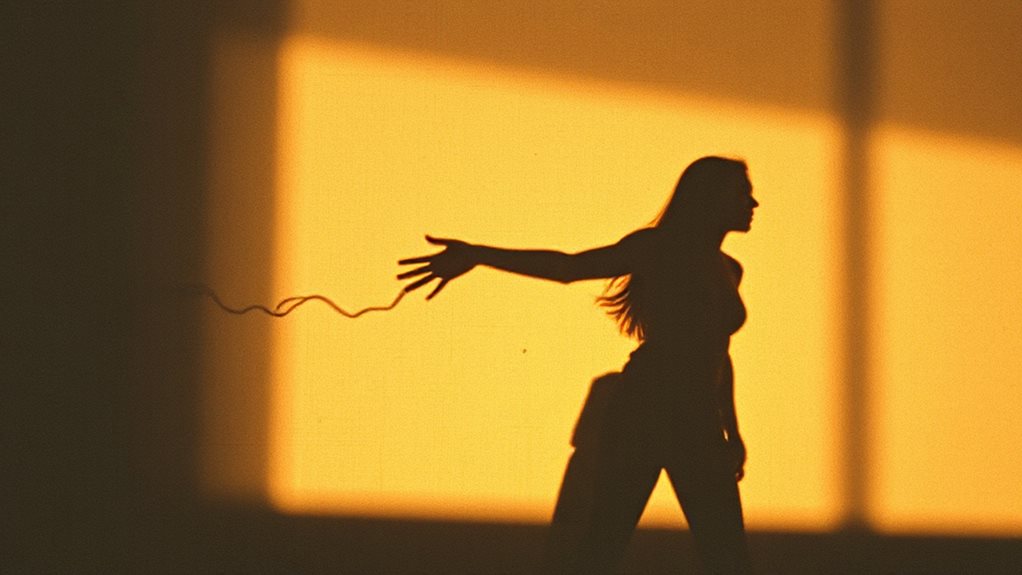
You carry hidden parts of yourself into every dream, where repressed emotions and forgotten traits surface in symbolic form. Your shadow self, shaped by childhood shame and fear, reveals itself in figures like faceless strangers or inner demons. These dream encounters expose what you deny while awake—both flaws and lost strengths. You project these unseen aspects onto others, distorting reality. Facing them feels threatening, yet awareness begins metamorphosis, and there’s more beneath the surface than you realize.
What Is the Shadow Self? A Simple Explanation?

While you might think of your personality as fully known to yourself, much of who you’re actually lives beneath the surface—unseen, unacknowledged, and often misunderstood.
Your shadow holds traits you’ve rejected, both negative and positive, shaped by shame and fear. In dreams, this often appears symbolically as encounters with inner demons that mirror repressed emotions and unresolved conflicts.
It’s not evil, just hidden, and it influences moods, dreams, and reactions—especially when you judge others harshly for what you deny in yourself.
These hidden aspects often emerge in dreams and relationships, revealing the individual and collective shadows.
How Childhood Creates Your Shadow Self?
Your shadow self doesn’t appear out of nowhere—it starts forming early, shaped by the everyday pressures and emotional lessons of childhood.
You suppress traits deemed wrong or embarrassing to fit in, splitting off parts of yourself. Shame, fear, and trauma push desires and feelings into the shadows.
Over time, this fragmentation protects you but fragments your wholeness, shaping who you become.
In dreams, encounters with a faceless man can symbolically mirror these split-off traits, highlighting how early shame and repression have hidden important aspects of your identity from conscious awareness.
Why You Project Your Shadow Onto Others?
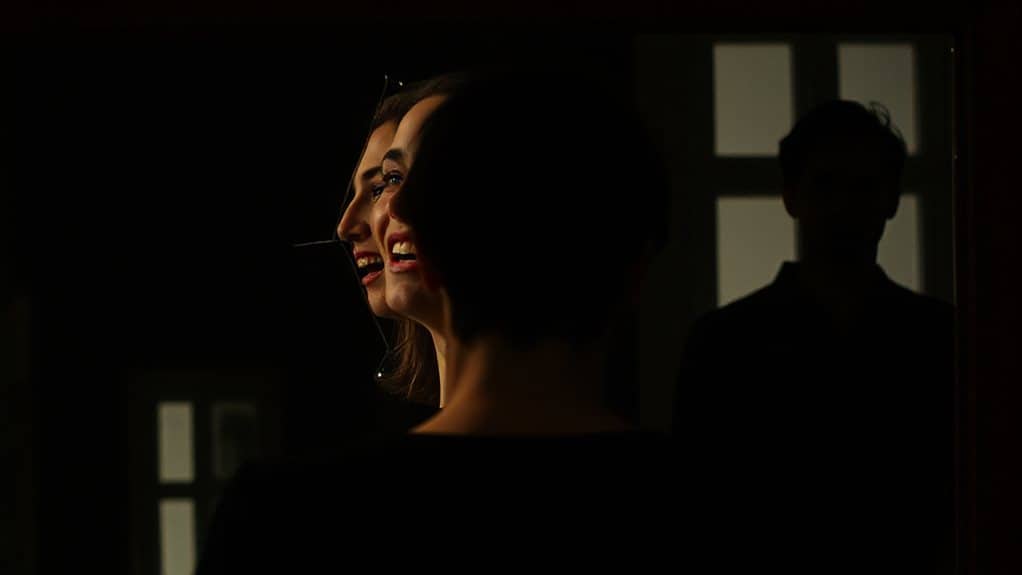
You project your shadow onto others because it’s easier to see what you deny in yourself when it appears in someone else.
Unnoticed traits—like jealousy or insecurity—quietly shape your judgments, making you react strongly to people who seem to embody your hidden flaws.
Sometimes this projection is triggered when another person mirrors your own unresolved conflicts, much like how intense dream imagery can reveal buried emotional struggles and fears.
Projection As Defense Mechanism
Brushing off your own insecurities by pinning them on someone else might feel like a quick fix, but it’s actually a classic psychological move known as projection. You use it to shield your ego, shifting uncomfortable feelings like jealousy or anger onto others.
This defense mechanism reduces anxiety, avoids guilt, and protects self-esteem—often without you realizing it. While it helps momentarily, it distorts reality and strains relationships over time.
Unseen Traits Shape Judgments
While you may believe your judgments of others are based on clear observation, they often stem from unseen parts of yourself lurking beneath awareness.
You project repressed traits—shame, fear, insecurity—onto others, mistaking inner conflicts for outer flaws.
Unacknowledged desires or weaknesses appear alien when seen in someone else, triggering harsh criticism.
This split distorts reality, preserving a false self while hiding your full humanity in plain sight.
Confronting Projected Shadows
Because unrecognized parts of the self rarely announce their presence, they often slip out in subtle, indirect ways—especially through how you perceive others.
You project your shadow to protect your self-image, displacing shame or fear onto those around you. This unconscious act distorts reality, turning inner conflicts into external judgments—often revealing more about your hidden struggles than the people you’re judging.
What Your Dreams Reveal About Your Shadow Self?
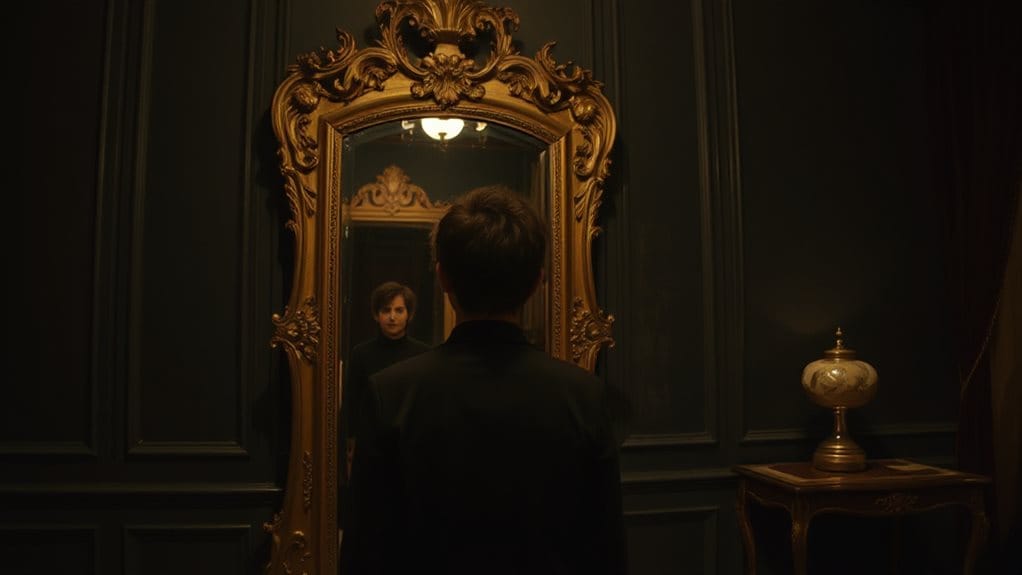
When your dreams stage a confrontation with a shadowy figure who feels oddly familiar, you’re likely encountering a hidden part of yourself.
This same-gender figure represents rejected traits, like anger or grief, you’ve suppressed.
Dreams amplify what your ego ignores—chaos under control, aggression beneath helpfulness.
Recurring themes of betrayal or failure reveal fears masked in daily life.
In this way, such dreams act like a spiritual timekeeper, signaling moments when you’re ready to shed outdated patterns and begin a new phase of inner transformation.
Why Facing Your Shadow Feels So Hard?
Even though you might want to grow, your mind often pushes back when it comes to facing the parts of yourself you’ve buried. Your ego resists because the shadow clashes with your self-image, sparking guilt or fear. Repressed traits—like anger or shame—feel unsafe to acknowledge. You project them onto others to avoid discomfort, but this distorts reality. Defenses protect your stability, yet block integration, making the path hard but necessary. In some cases, this resistance can even show up in unsettling dreams—like feeling pulled by invisible forces—symbolizing inner conflict and a loss of control.
How to Integrate Your Shadow and Feel More Whole?

You can start integrating your shadow by acknowledging the traits you’ve pushed away, like anger or insecurity, and recognizing how they quietly shape your actions.
Practicing mindful awareness helps you catch these disowned parts in real time, not to fix them, but to understand their role in your story.
When you stop resisting what you’ve labeled “bad,” you create space for a more balanced, whole version of yourself to emerge.
Embrace Disowned Traits
Though you mightn’t realize it at first, the traits you dislike most in others often mirror parts of yourself you’ve pushed aside. You’ve likely rejected qualities like anger or selfishness to fit in, but they still influence you.
Cultivate Self Awareness
Recognizing disowned traits opens the door, but turning that awareness into lasting growth means getting to know your inner world with honesty and consistency.
You observe behavioral patterns, meditate to stay present, and reflect regularly to spot blind spots. Analyzing triggers helps you catch automatic reactions, while self-inquiry reveals hidden motivations—key steps in integrating your shadow and feeling more whole.
Wrapping Up
You carry hidden parts of yourself, shaped by childhood and buried over time. These unconscious elements, known as the shadow, often surface in dreams and projections onto others. Facing them feels difficult because they challenge your self-image. Yet, acknowledging and integrating these aspects brings greater wholeness. It’s not about blame, but understanding. You grow not by ignoring the dark, but by bringing it into the light—carefully, honestly, and with purpose.

Seraphina Lumina is a dream interpretation and symbolism researcher with a passion for exploring the connections between dreams, emotions, relationships, spirituality, and personal growth. She draws on traditional dream symbolism, psychological perspectives, and spiritual traditions to help readers make sense of their night-time experiences and the themes that may appear in them.