

You’re not imagining it when the dead stay silent in your dreams—this stillness often reflects unresolved emotions, not a supernatural message. Their silence can mirror your unspoken grief, guilt, or need for closure. Culturally, these encounters vary in meaning, but psychologically, they act as emotional mirrors. You’re likely processing loss, not receiving warnings. Acknowledging these dreams helps you confront what’s left unsaid, and there’s more to uncover about how they guide healing.
The Psychology Behind Silent Encounters in Dreams

While you might expect dreams about the deceased to be filled with urgent messages or emotional reunions, many people report eerie encounters where the dead remain silent, offering no words or explanations. This silence may reflect dream dissolution, where imagery fades and self-awareness blurs. In many cases, such silence highlights a need for closure as your mind grapples with unresolved emotions or unspoken words tied to the deceased. Your brain could be processing memory without narrative, or reality monitoring errors might make imagined stillness feel deeply real. In some cases, this dissolution overlaps with a nothingness phase characterized by minimal self-awareness and lack of sensory content, resembling objectless awareness reported in advanced meditative traditions.
Unresolved Emotions and the Need for Closure
Because your dreams often mirror unresolved feelings, the silent presence of a deceased loved one may signal an emotional gap you haven’t fully processed.
When you suppress grief or unexpressed thoughts, they resurface in dreams as silence, reflecting incomplete closure. This lack of dialogue can amplify sadness or anxiety, suggesting your mind still seeks resolution, yet struggles to regulate these lingering emotional states. In many cases, this kind of dream highlights unresolved feelings that may benefit from deeper reflection, journaling, or therapeutic support.
When Guilt Shapes the Dreamscape

You carry unresolved emotions into your dreams, and when guilt joins the voyage, it reshapes the entire terrain.
You might see the deceased ignoring or snubbing you, not as a sign of their anger, but as your mind processing absence and regret. Guilt over words unsaid, actions taken, or perceived failures to prevent death fuels these visions. Your dreams replay unresolved moments, turning silence into a mirror for self-blame. Even years later, they push you to confront what you wish you’d done differently—quietly urging reflection, not punishment. In many cases, this kind of dream signals a need to move on from entrenched patterns of sorrow so you can gradually reclaim your life.
Cultural Views on Communicating With the Deceased
When dreams feature the dead refusing to speak, cultural backdrop often shapes how you interpret that silence. You might view it as a spiritual warning, a sign of unresolved duty, or a reflection of ancestral disapproval.
In East Asia, ritual gifts maintain connection, while Haitian and African traditions emphasize active communication. Your beliefs about the afterlife influence whether silence feels comforting or concerning. In many traditions, this silence can be understood as a nudge toward emotional healing, urging you to confront unresolved feelings, seek closure, and move forward.
Bereavement Dreams as Emotional Mirrors
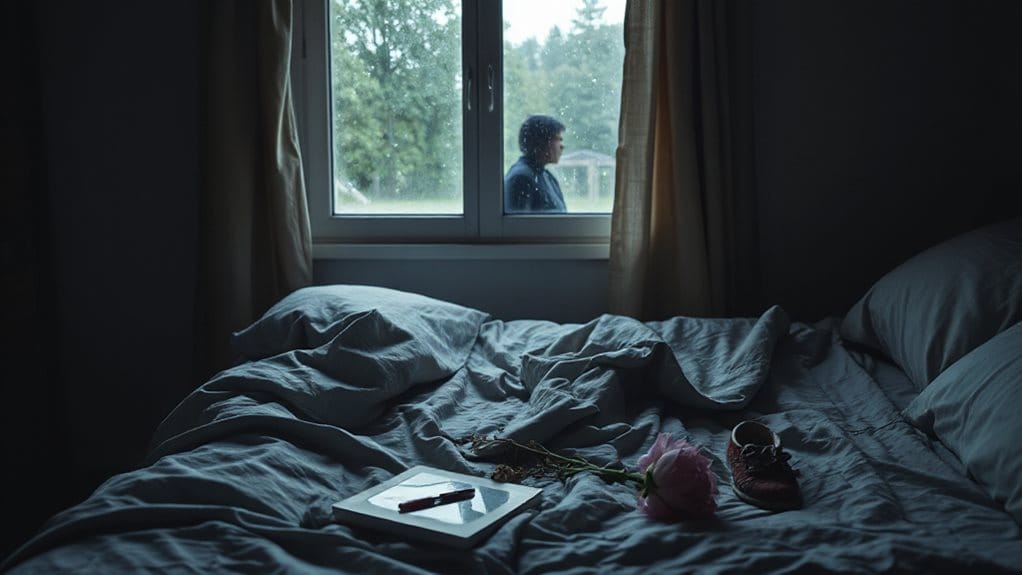
You might notice the dead stay silent in your dreams, yet those quiet moments often mirror your inner emotional state.
Even without words, these encounters can reflect unresolved grief, longing, or the mind’s way of processing loss. Think of them less as missed conversations and more as subconscious check-ins, where absence speaks louder than dialogue.
Sometimes this silence still carries the sense of a loving spiritual presence, gently reminding you that guidance and support endure beyond physical loss.
Silent Encounters, Loud Emotions
Though the dead may not speak in dreams, their silence often carries emotional weight, revealing more than words could convey.
You may notice this quiet presence reflects unresolved grief, suppressed guilt, or longing.
These silent encounters aren’t empty—they’re charged with meaning.
Research shows such dreams correlate with emotional upheaval, offering understanding into your inner state and unspoken needs during mourning.
Grief’s Unspoken Conversations
Because dreams of the deceased often mirror the emotional terrain of grief, they serve as more than mere memories—they act as private reflections of your inner world during bereavement.
When the dead refuse to speak, your dream may highlight unresolved emotions or communication gaps. These silent moments aren’t empty; they’re rich with meaning, revealing your struggle to process loss, seek closure, or adjust to a new reality without words.
Dreams as Healing Bridges
Amid the quiet terrain of sleep, dreams about the deceased often emerge as more than fleeting images—they function as emotional mirrors, reflecting your inner voyage through grief.
These dreams help process loss, soften emotional edges, and integrate absence over time. Even when the dead refuse to speak, their presence offers comfort, guiding you toward healing through symbolic connection rather than words.
Healing Through Dream Recognition and Dialogue

Dreams often serve as quiet messengers, carrying unresolved emotions and unspoken connections—especially when the dead appear but refuse to speak.
You can gain deep understanding by recognizing these dreams as invitations to dialogue, not just memories.
When you examine them with a trained therapist, self-awareness grows and hidden feelings surface, promoting healing in ways talk therapy alone often doesn’t.
Navigating Stigma Around Post-Death Experiences
You’re not alone if you’ve had a post-death experience but stayed quiet about it—many people keep silent due to fear of being labeled unstable or strange.
Social stigma and discomfort around death make these moments feel risky to share, even when they bring comfort or clarity.
Yet talking openly can challenge taboos and help normalize experiences that more people have than admit.
Breaking the Silence
Though you may feel alone in your experience, you’re not—many people who’ve had contact with the deceased stay silent, not because the moment lacked meaning, but because they fear how others might react.
You might worry about judgment or being labeled, but sharing your story can reduce isolation. When you speak up, you challenge stigma and open doors to healing conversations that benefit everyone.
Cultural Taboos Unseen
While cultural norms often shape how people process loss, many of the taboos surrounding death operate beneath the surface—unseen, unspoken, yet deeply influential.
You steer through these hidden rules when discussing dreams of the dead, where silence is mistaken for acceptance. Cultural avoidance, rooted in fear or politeness, quietly discourages sharing such experiences, reinforcing stigma even when openness could bring understanding.
Research Gaps and the Future of Dream Studies

Since dream research remains a frontier of neuroscience, you’ll find that major gaps still shape what we comprehend—and what we don’t.
You face inconsistent methods, small samples, and limited data sharing, which slow progress. High costs restrict large-scale studies, while subjective dream reports challenge objectivity.
Yet, emerging tools like the DREAM database offer hope, enabling better analysis and collaboration to reveal sleep’s elusive secrets.
Wrapping Up
You encounter silence from the deceased in dreams not because they have nothing to say, but because your mind wrestles with unresolved feelings. These quiet moments often reflect inner conflict, guilt, or cultural beliefs about the afterlife. Research suggests such dreams mirror your emotional state more than supernatural contact. Recognizing this can aid healing. Though stigma persists, acknowledging these experiences as part of grief helps you process loss with clarity and purpose.

Seraphina Lumina is a dream interpretation and symbolism researcher with a passion for exploring the connections between dreams, emotions, relationships, spirituality, and personal growth. She draws on traditional dream symbolism, psychological perspectives, and spiritual traditions to help readers make sense of their night-time experiences and the themes that may appear in them.