

You’re not alone when you dream of someone who has died but appears alive—these dreams are common and often help your mind process grief or unresolved feelings. The deceased may seem whole and present, offering comfort or engaging in meaningful interaction. Such experiences can reflect emotional healing, especially when they bring clarity or closure. While some dreams stem from memory and emotion, others contain details worth exploring further.
The Reality of Dreams Featuring the Deceased
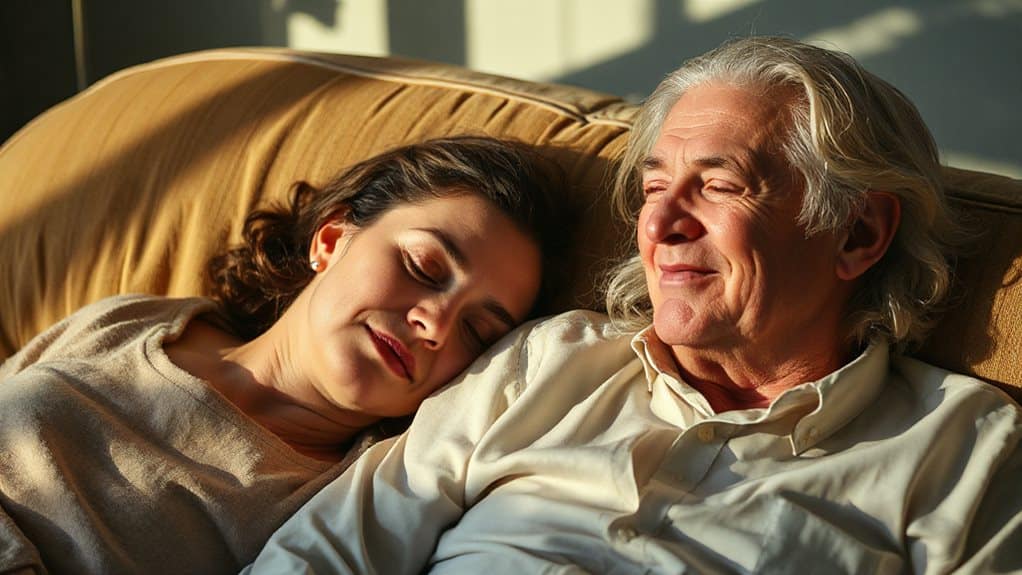
While dreams can often feel mysterious, those involving someone who’s died tend to carry a distinct emotional weight and psychological significance. These dreams can highlight unresolved feelings that have not yet been fully processed.
You may dream of them looking alive, reflecting your subconscious processing of loss.
These visions aren’t literal but symbolize unresolved feelings or needs.
They help you adapt, offering comfort, closure, or connection when you need it most.
Dreams of the deceased are more common in women with complicated grief, suggesting that such dreams may be part of a broader emotional response tied to complicated grief.
How Lucid Dreaming Enables Contact With Lost Loved Ones
You can use lucid dreaming as a bridge to interact with lost loved ones while fully aware you’re dreaming. By asking specific questions and later verifying answers with family or records, you turn subjective experiences into testable encounters. This conscious contact may help resolve lingering grief, especially when the dreamer receives unexpected, accurate information from the deceased figure. Many people report that such encounters feel like vivid visitation dreams that bring a sense of peace, reassurance, and ongoing connection with the one who has passed.
Lucid Dreams as Bridges
From within the quiet clarity of a lucid dream, you might find yourself face to face with someone long gone—fully aware, fully present, and able to speak.
You can ask questions, receive messages, or simply reconnect.
Studies show many dreamers report verified details, suggesting more than symbolism.
These moments often bring closure, helping you process grief with tangible, meaningful contact that lingers well beyond waking.
Verifying Dream Encounters
Lucid dreaming doesn’t just offer emotional comfort—it opens a door to testable, real-world verification when you encounter someone who’s died. You can ask questions only the deceased would know, then check answers after waking. Studies show 10% of such dreams yield verifiable details.
Grief and Dream Connection
While grief often feels like a solitary voyage, dreams can become unexpected bridges to the lost, offering a space where connection persists beyond physical absence.
You may find that lucid dreaming allows conscious interaction with the deceased, helping investigate unresolved emotions. These dreams aren’t proof of afterlife, but they can provide comfort, clarity, and a sense of ongoing bond during healing.
Characteristics of End-of-Life Dreams and Visitations
You’re more likely to experience end-of-life dreams and visitations as death approaches, and research shows they’re both common and meaningful. You may see deceased loved ones, feel deep comfort, and recall vivid, clear scenes. These aren’t delirium—they’re organized, often recurring, and decrease anxiety. Though you might hesitate to share them, they’re normal, offering understanding and peace as life nears its end. In many cases, these experiences gently encourage you to release the past so you can move forward with greater acceptance and calm.
The Role of Skill and Experience in Dream Recall

Dreams involving the deceased often carry deep personal significance, especially near the end of life, when they appear with striking clarity and emotional resonance. You’re more likely to recall these dreams if you have strong visual memory or a habit of mind-wandering. Frequent awakenings, a creative mindset, and openness to dreams enhance recall. Your brain’s prefrontal structure and sleep patterns also play key roles. Good sleep hygiene and consistent routines help protect and lengthen REM sleep, increasing the chances that you will remember such meaningful dreams.
Emotional Impact and Connection After Dream Encounters
A sense of connection often lingers after dreaming of someone who’s died, shaping how you process loss and steer through grief. You may feel comfort, reduced guilt, or renewed emotional bonds. These dreams often carry positive emotions, aiding healing. They reflect your mood, support acceptance, and help reintegrate loss into daily life, offering a meaningful, stabilizing experience over time. In many cases, these encounters can feel like symbolic guidance from the departed, gently pointing you toward closure, self-discovery, or emotional reassurance.
Distinguishing Grief Dreams From Potential Visitations

You might notice that some dreams feel different from others when someone you’ve lost appears.
Genuine visitations often come with a strong sense of presence, clear communication, and emotions like peace or love that stay with you after waking. In contrast, grief-driven dreams tend to be more fragmented, tied to unresolved feelings, and lack the vivid, lasting impact that many associate with true contact.
Signs of Genuine Contact
Often, when someone dreams of a deceased loved one, the experience carries a striking intensity that sets it apart from ordinary dreaming.
You notice vivid, lifelike details, coherent narratives, and meaningful conversations. The person appears whole and aware, making eye contact and conveying clear messages.
These aren’t random images—they often arrive when you need guidance, offering comfort, resolution, or information that feels genuinely beyond your own mind.
Grief-Driven Dream Patterns
When dreams of the deceased feel intensely real, complete with clear dialogue and emotional depth, it’s natural to wonder whether they carry messages from beyond.
These grief-driven dreams often include familiar figures and evolve over time, reflecting emotional processing rather than supernatural contact. Women may dream less friendly or aggressive content, linked to higher anxiety. Over months, dreams shift from reunion themes to daily activities, mirroring healing.
Wrapping Up
You might dream of someone who has died but appears alive, and this experience is more common than you think. These dreams often reflect emotional processing, though some interpret them as meaningful visitations. Dream recall and personal beliefs shape how you understand them. While lucid dreaming can enhance control, most such dreams arise naturally during grief. You’re likely integrating loss, not receiving messages—though the comfort they bring is real and valid.