

Your strongest emotions—like fear, joy, or anger—shape dream symbols by turning feelings into vivid scenes, using metaphors your mind can process. Waking emotions carry into sleep, guiding the dream’s mood and imagery. The amygdala fuels intensity, while reduced prefrontal activity allows symbolic, often bizarre, expression. Unresolved feelings appear as chases, falls, or empty rooms, reflecting inner concerns. These symbols help you safely process emotional experiences, offering perspective into hidden tensions—there’s more beneath the surface than you might first realize.
Emotions as the Blueprint of Dream Symbols

While you might assume the events of your day directly shape what you dream about, it’s actually your emotions that serve as the blueprint for dream symbols, organizing and coloring the imagery in predictable ways. Your strongest feelings—fear, joy, anger—dictate the form and intensity of dream scenes. For example, intense anxiety or sadness may appear as powerful water imagery, such as a flood outside your house, signaling emotions that feel like they are rapidly rising and hard to control.
Symbols don’t just reflect emotions; they condense and express them, turning abstract feelings into vivid, story-like images that feel real while you’re in them. This process reveals the latent content of dreams, where unconscious thoughts and emotions are symbolically represented beneath the surface narrative.
How Waking Emotions Shape Dream Symbols
You carry your strongest waking emotions into your dreams, where they often shape the core imagery you experience.
When you’re wrestling with intense feelings—especially negative ones—your dream world tends to mirror that emotional weight through symbolic scenes, like storms or chases, rather than direct replays.
This isn’t random; your mind prioritizes what’s emotionally unresolved, turning up the volume on feelings you haven’t fully processed.
Dream arguments often act as powerful symbols of unresolved conflicts, revealing hidden emotional tensions and inner struggles that your waking mind has not yet fully addressed.
Dominant Waking Emotions Influence
Because your mind doesn’t switch off emotional concerns when you sleep, the feelings that dominate your waking hours often shape the very structure of your dreams.
You’ll notice intense emotions—whether joy or fear—become central dream themes, expressed through vivid metaphors like storms or chases.
These symbols link emotionally similar memories, helping your mind process and integrate what matters most, even while you rest.
Emotional Congruence In Dream Imagery
Often, the emotions you carry into sleep don’t just linger—they actively shape the scenes that unfold in your dreams.
You’ll notice frightening feelings paired with threatening images, sadness with loss, and warmth with connection.
These aren’t random; your brain links emotion to symbol. Even when details change, the feeling stays consistent, turning real worries into vivid, metaphorical scenarios that reflect your inner state.
The Brain’s Role in Emotional Dream Imagery

While you’re lost in a dream of fleeing through shadowy streets or reuniting with a long-gone face, your brain is quietly orchestrating the emotional backdrop with precision. Your amygdala fires, fueling intensity, while the hippocampus and anterior cingulate cortex help weave memories into emotional narratives. Dopamine pathways spark motivation and reward, and your prefrontal cortex—less active—lets bizarre blends slip through, unchecked. This emotional orchestration supports dream incubation, where focusing on important concerns before sleep can help your brain generate creative, symbol-rich solutions during REM.
Anxiety’s Dream Symbols: Chases, Falls, and Being Unprepared
When anxiety tightens its grip, your dreams often respond with vivid scenarios of being chased, falling, or facing high-pressure situations unprepared.
You might flee shadowy pursuers, symbolizing avoidance of real-life stress.
Falling dreams reflect feelings of instability or loss of control.
Dreaming you’re unprepared for an exam? That’s anticipatory anxiety rehearsing challenges—sometimes enhancing performance, even if the dream feels unsettling.
In the same way, disturbing car-accident dreams can mirror underlying PTSD risk or emotional overload, signaling that your subconscious is struggling to process stress or trauma.
Grief and Loss: Empty Rooms and Missing People in Dreams

If you’ve ever wandered through a quiet, unfurnished space in a dream, you’re not alone—empty rooms frequently emerge in the dreams of those contending with grief and loss.
You might feel absence sharply, as these spaces mirror emotional voids left by departed loved ones or past selves.
Missing people often appear alive, offering unresolved closure.
Such dreams help process sorrow, slowly integrating loss into your developing life story.
In some cases, these barren or unopened spaces also resemble the unused rooms in house dreams, hinting at untapped emotional territory or aspects of your life story not yet fully acknowledged or explored.
Anger and Frustration: Blocked Paths and Broken Doors
You’ve probably felt it—trying to move forward in a dream, only to hit a wall, a jammed door, or a path that dead-ends abruptly. These blocked movements aren’t random; they often mirror real-life frustrations, especially when stress or unresolved anger simmers beneath the surface.
Even glitchy tech in dreams—like a keycard that won’t scan or an elevator stuck on the wrong floor—can reflect your mind’s way of processing obstacles and lost control.
Blocked Movement Imagery
Though you might expect dreams to reflect the freedom of unconscious imagination, they often trap you in scenes where movement is restricted or entirely halted—stuck in place, struggling to run in slow motion, or facing paths that abruptly end.
Your brain’s motor systems fire during REM sleep, yet your body remains paralyzed, creating a vivid clash between intent and action. This mismatch shapes dream imagery of blocked movement, especially when you’re angry or frustrated.
Emotional arousal intensifies these scenes, while weakened prefrontal control limits problem-solving, leaving you mentally stuck. Recurring blocks may mirror waking-life obstacles, particularly when progress feels impossible.
Frustration In Technology
Often, your dreams turn everyday tech struggles into vivid scenes of frustration, converting a frozen screen or lost file into a symbolic obstacle.
You might fight a crashing app or search endlessly for a missing phone, reflecting real feelings of helplessness.
These dreams mirror unmet needs for control and competence, replaying digital stressors to process irritation and rehearse responses, revealing how deeply technology shapes your inner emotional milieu.
Shame and Guilt: Nudity and Embarrassment in Dreams
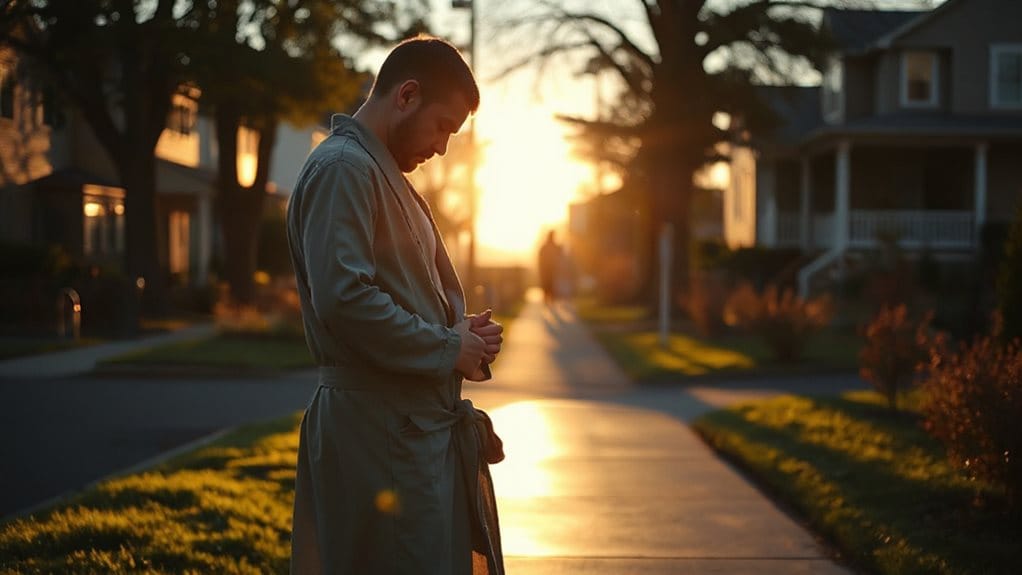
A quiet undercurrent of self-judgment often fuels the vivid discomfort of dreams where you stand exposed or humiliated.
You feel shame when your ideal self falls short, triggering dreams of nudity or failure.
Guilt, tied to moral missteps, brings scenarios where you’ve harmed others.
Both emotions activate distinct brain patterns, with shame lighting up the right hemisphere and insula, while guilt engages the amygdala and frontal lobes.
These dreams reflect inner conflicts, not just random images.
Joy and Confidence: Flying and Winning in Dreams
You might find yourself soaring above terrains or standing atop a podium in your dreams, and when you do, these images often carry more meaning than mere fantasy.
Flying reflects joy, confidence, and a sense of control, while winning symbolizes competence and recognition.
Together, they reveal inner security, personal growth, and belief in your abilities—emotional markers of progress and self-assurance during waking life.
Recurring Dream Symbols and the Emotions They Conceal
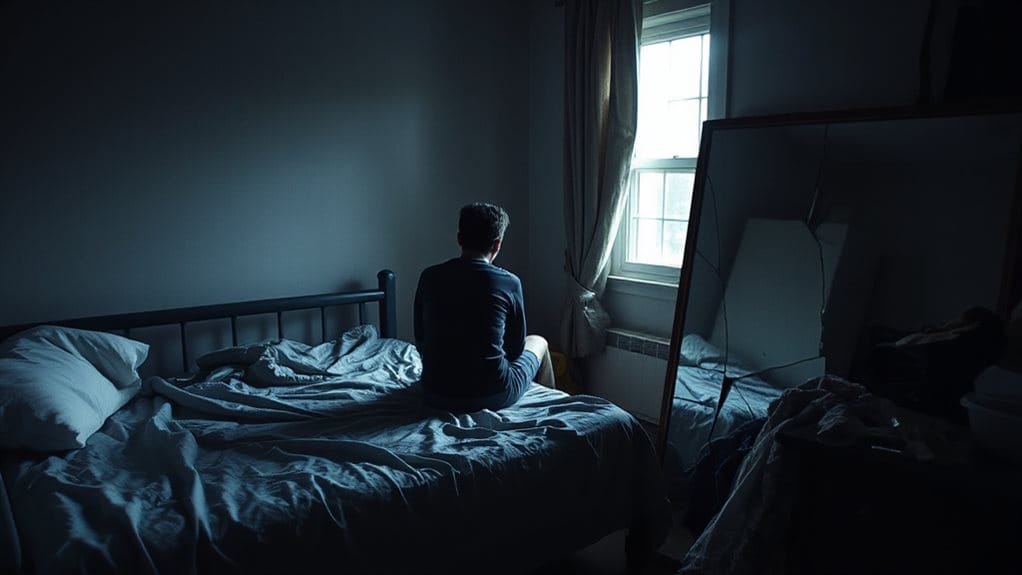
You might keep running from something in your dreams because part of you is still avoiding a fear or unresolved issue you haven’t faced awake.
When you’re falling or stuck in the same dream again, it often points to insecurity, stress, or a sense that life’s slipping out of control.
Even dreams where you’re lost or searching can mask deeper grief or questions you haven’t fully processed.
Recurring Chases And Hidden Fears
While you mightn’t always realize it, being chased in a dream isn’t just a random scare—it’s often your mind rehearsing how to handle real-life threats.
You’re likely avoiding something stressful: a conflict, decision, or emotion. Chronic stress or unresolved trauma can fuel these dreams.
The pursuer—whether a person, animal, or shadow—symbolizes what you’re fleeing, revealing hidden fears and avoidance patterns you may need to confront.
Falling Dreams And Emotional Insecurity
Falling dreams often emerge when life feels unsteady, acting as a mirror to the emotional turbulence you might be negotiating.
You may be wrestling with stress, self-doubt, or major shifts that shake your sense of control.
Whether you’re tripping or pushed, these dreams often reveal hidden insecurities, low confidence, or fear of failure—common signals your psyche is processing anxiety beneath the surface.
Lost Paths And Unresolved Grief
When familiar routes dissolve into unrecognizable terrain, dreams of being lost often signal more than simple disorientation—they reflect the quiet ache of unresolved grief.
You might find yourself wandering foggy woods or repeating the same wrong turn, symbols of emotional numbness or rumination.
These dreams mirror blocked mourning, where unprocessed anger, guilt, or yearning keeps you stuck, unable to redraw your inner map or move forward.
Healing Emotions Through Dream Symbols

Because dream symbols often carry the weight of emotions too intense to face directly, they serve as protective containers for painful feelings, converting raw psychological distress into manageable imagery.
You use these symbols to process unresolved emotions safely, allowing healing to unfold. Dreaming helps regulate affect, turning overwhelming experiences into coherent narratives.
Through reflection, you gain understanding, integrate difficult feelings, and move toward emotional balance—quietly, steadily, in the background of sleep.
Wrapping Up
You now see how emotions directly shape dream symbols, acting as a blueprint for the mind’s nighttime imagery. Your waking feelings influence what you dream, from anxiety’s chases to joy’s flight. The brain processes these emotions, translating them into symbolic scenes. Recurring symbols often mask deeper emotional patterns, offering understanding. By understanding this link, you can use dreams as tools for emotional awareness and healing, making sense of inner states through symbolic reflection.

Seraphina Lumina is a dream interpretation and symbolism researcher with a passion for exploring the connections between dreams, emotions, relationships, spirituality, and personal growth. She draws on traditional dream symbolism, psychological perspectives, and spiritual traditions to help readers make sense of their night-time experiences and the themes that may appear in them.