

Waking up at the same time each night often relates to your circadian rhythm, which regulates sleep and wake cycles based on hormonal patterns and genetics. Your brain’s neurochemicals like serotonin and melatonin influence sleep quality, while genetic factors can predispose you to these episodes. Environmental cues, such as noise or temperature, may also contribute. Sometimes, underlying sleep disorders or hormonal fluctuations play a role. For a deeper understanding, examine how individual differences shape your sleep pattern over time.
Why Do You Wake Up at the Same Time Every Night?

Many people find themselves waking up at the same time each night, and understanding why can help in addressing these disturbances.
Your sleep schedule and circadian rhythm play key roles, as internal clocks may trigger wakefulness due to hormonal cycles.
Reinforced sleep routines and external cues, like noise or light, can also contribute to recurring sleep disturbances.
Some people also explore 3am awakenings through spiritual, biblical, or psychological perspectives.
How Does Your Circadian Rhythm Control Nightly Wake-Ups?
Your circadian rhythm acts as an internal clock that governs your sleep-wake patterns, and it’s primarily controlled by a small region in your brain called the suprachiasmatic nucleus (SCN).
This internal clock responds to light signals, regulating hormone release and influencing sleep stages.
If misaligned, it can trigger wakefulness at the same time each night, maintaining habitual nightly wake-ups.
How Do Brain Chemicals Like Serotonin and Melatonin Affect Your Sleep?

Brain chemicals such as serotonin and melatonin play essential roles in regulating sleep, with their balance and production directly influencing sleep quality and timing. Serotonin acts as a precursor to melatonin, which is produced by the pineal gland in response to darkness, signaling sleep onset.
Disruptions in these chemicals can alter sleep cycles and lead to fragmented or restless sleep. In some cases, poor sleep and stress can also contribute to sleep paralysis, where the mind wakes before the body fully does.
Which Genetic Factors Make You More Likely to Wake During the Night?
Your likelihood of waking during the night can be influenced by specific genetic factors that affect your neurochemistry and biological clock. Variants in genes like SLC6A4, COMT, and CLOCK can disrupt the balance of neurotransmitters and circadian timing.
This disruption can make you more prone to fragmented sleep. Understanding these genetic influences helps explain why some people experience consistent nighttime awakenings and can guide targeted interventions. In some cases, these awakenings may also reflect subconscious cues about tension, anxiety, or emerging issues.
Genetic Variants Affecting Neurotransmitters
Genetic variants that influence neurotransmitter function can considerably impact sleep patterns, making some individuals more prone to waking during the night. Variations in genes affecting serotonin, melatonin, and other neurotransmitters can disrupt their balance, leading to shallow sleep or frequent awakenings.
Understanding these gene variants helps explain why sleep interruptions differ among individuals.
Circadian Genes and Sleep Timing
Variants in circadian genes like CLOCK and PER3 can deeply influence sleep timing, often causing people to wake at the same time each night.
The CLOCK gene regulates melatonin release, affecting sleep phases, while PER3 impacts sleep pressure buildup.
These genetic differences can disrupt normal sleep patterns, making some individuals more prone to consistent nocturnal awakenings despite good sleep hygiene.
Common Sleep Disorders That Cause Consistent Night Waking?

Several sleep disorders can cause you to wake up at the same time each night, often due to underlying physiological or neurological factors.
For example, sleep apnea episodes disrupt breathing patterns, leading to repeated arousals.
While restless leg syndrome creates uncomfortable sensations that prompt frequent awakenings.
Additionally, hormonal fluctuations, such as those involving cortisol or thyroid hormones, can interfere with your sleep cycle, resulting in consistent nighttime wakefulness.
Sleep Apnea Episodes
Sleep apnea is a common sleep disorder that can cause you to wake up repeatedly throughout the night, often without realizing it. These night waking episodes result from airway blockages that temporarily interrupt breathing, disrupting your sleep cycles.
Typically occurring every 90 minutes, these episodes reduce sleep quality and can lead to daytime fatigue and health issues if untreated.
Restless Leg Syndrome
Restless Leg Syndrome (RLS) is a neurological disorder that causes an uncontrollable urge to move the legs, especially during periods of rest or inactivity.
This condition often leads to sleep issues and sleep disruptions, particularly during certain sleep stages.
RLS symptoms tend to worsen at night, causing frequent awakenings that interfere with maintaining continuous, restorative sleep.
Hormonal Night Disruptions
Hormonal fluctuations during sleep can deeply influence the consistency of night waking, often disrupting your ability to remain asleep through the night.
Changes in hormones like melatonin, cortisol, and thyroid hormones can cause sleep disruptions.
Conditions such as menopause lead to hot flashes and night sweats, which contribute to recurring awakenings at the same time each night.
Environmental and Lifestyle Factors That Keep You Waking?
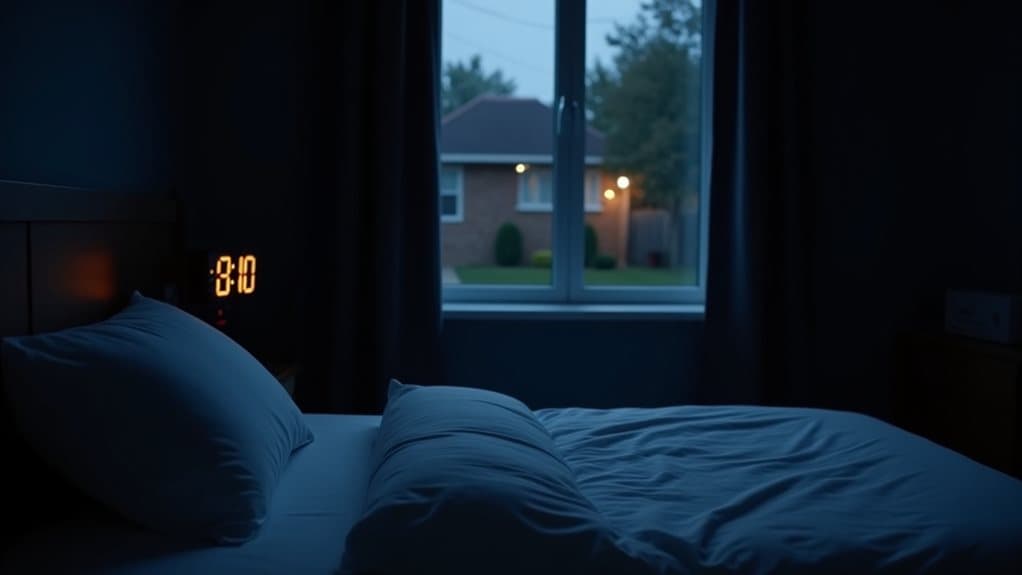
External noises like trains, traffic, or household appliances can subtly disrupt your sleep without you realizing it. These environmental factors can cause sleep disturbances by activating your nervous system or breaking sleep hygiene.
Fluctuations in room temperature and exposure to electronic device light further fragment sleep. Managing these factors helps maintain consistent rest and minimizes nightly awakenings. Adding a calming dream catcher near a window can also create a soothing decorative element that fits the room while catching natural light and airflow.
Why Standard Sleep Tips Sometimes Don’t Fix Night Waking?
Even when following standard sleep tips, some individuals continue to wake up during the night, often due to underlying biological factors rather than lifestyle choices.
Neurochemical imbalances can disrupt sleep architecture, while circadian misalignment and sleep disorders may prevent traditional strategies from working.
Personalized interventions targeting these biological influences are often necessary to improve night waking patterns effectively.
How Personalized Genetic Testing Can Help Solve Your Sleep Problems?

Personalized genetic testing offers a targeted approach to understanding why you may struggle with night awakenings. By analyzing gene variants related to circadian rhythms and neurochemical imbalances, you can identify specific causes.
This understanding enables personalized treatment plans, such as customized supplements or lifestyle changes, addressing the root genetic factors and improving sleep quality more effectively than generic solutions. A calmer emotional state, sometimes described in quiet devotion, can also support better rest and a more hopeful relationship with sleep.
Effective Strategies to Break the Cycle of Nightly Waking
To break the cycle of nightly waking, it’s essential to adopt deliberate strategies that address both sleep habits and underlying biological factors.
Adjust your bedtime gradually, experiment with different sleep routines, and avoid waking too early, which reduces sleep pressure.
If disturbances persist, consulting a sleep study or specialist can identify underlying sleep disorders contributing to consistent wake-up times.
Wrapping up
Understanding why you wake up at the same time each night involves examining your circadian rhythm, brain chemistry, genetics, and lifestyle factors. Standard sleep advice may not address underlying issues, but personalized genetic understanding can offer targeted solutions. By identifying the root causes—whether sleep disorders, environmental influences, or biological patterns—you can develop effective strategies to improve your sleep continuity. Addressing these factors with precise, evidence-based approaches allows for better sleep management and overall well-being.

Seraphina Lumina is a dream interpretation and symbolism researcher with a passion for exploring the connections between dreams, emotions, relationships, spirituality, and personal growth. She draws on traditional dream symbolism, psychological perspectives, and spiritual traditions to help readers make sense of their night-time experiences and the themes that may appear in them.