
The witching hour typically occurs around midnight or 3 a.m. and is believed to be when supernatural activity peaks, rooted in European folklore and historical fears of spirits and magic. It’s seen as a boundary between the natural and spiritual worlds, often linked to myths, literature, and cultural superstitions that associate this time with increased mystical presence. Scientific explanations attribute it to biological rhythms and sleep patterns, rather than supernatural forces. To understand why this time remains significant today, delve deeper into perspectives ahead.
What Is the Origin of the Witching Hour and Its Historical Roots?
The origins of the witching hour can be traced back to European history, where fears of witchcraft and supernatural activity shaped cultural beliefs.
In European folklore, nighttime hours, especially around midnight or 3 a.m., were believed to be when spirits and demons were most active.
The term gained prominence through literary references, emphasizing its mystical and ominous significance.
Across many traditions, spiritual interpretations of nocturnal symbolism also connected these hours with heightened supernatural awareness.
How Is the Witching Hour Portrayed in Literature and Folklore?
In literature and folklore, the witching hour is often portrayed as a time of heightened supernatural activity, with stories emphasizing the presence of witches, spirits, and mystical beings.
Writers frequently use this period to symbolize mystery and danger, as seen in Shakespeare’s reference to it as “the very witching time of night,” and in works like Anne Rice’s *The Witching Hour*, which highlights its magical significance.
Cultural traditions from various regions connect this time to rituals, love charms, and encounters with the supernatural, making the witching hour a powerful symbol of the unknown and the mystical in storytelling.
Some modern interpretations also connect it to sleep paralysis, a state in which the mind wakes while the body remains temporarily unable to move.
Folklore Depictions of Night
Folklore across many cultures depicts the witching hour as a period when supernatural beings such as spirits, fairies, and witches are at their most powerful and active.
During midnight or early morning hours, supernatural events often intensify, with traditions suggesting the boundary between the living and dead becomes thinnest.
This time is linked to mystery, enchantment, and heightened mystical activity.
Literary Uses of Witches
Literary portrayals of the witching hour often emphasize its association with heightened supernatural activity and dark magic. In literature, the witching hour symbolizes a boundary where supernatural forces, such as witches, spirits, and mystical phenomena, are most powerful.
Works like *The Witching Hour* examine this period as a time of dark magic, mysticism, and supernatural influence, highlighting its role as a threshold between worlds.
Symbolism in Stories
How is the witching hour portrayed as a symbol in stories and folklore? It represents a time when supernatural activity peaks, often associated with dark happenings and mystical powers.
Folklore from Ireland and Nordic cultures highlights midnight or Midsummer’s Eve as periods for magical rituals.
The phrase signifies mystery, danger, and the boundary between natural and supernatural worlds.
What Cultural Beliefs and Superstitions Surround the Witching Hour?
Many cultures have long held the belief that the witching hour, typically around midnight or 3 a.m., marks a time when the boundary between the living and the dead becomes particularly thin.
Superstitions suggest this is when spirits and supernatural beings are most active.
Rituals, like viewing wells or performing charms, reinforce the period’s mystical significance across various traditions. traditional symbolism in dream catchers also reflects similar beliefs about protecting sleepers from negative energies.
Is There a Scientific Explanation for the Mystique of the Witching Hour?
The mystique surrounding the witching hour can often be explained by our body’s natural biological rhythms rather than supernatural forces.
During this time, REM sleep deepens, causing physiological changes like slowed heart rate, irregular breathing, and reduced body temperature.
These shifts contribute to sleep disturbances such as nightmares and sleep paralysis, which may heighten feelings of unease and fear. Dream timing can also influence how vivid or bizarre dreams feel, with later-night dreams often seeming more unusual.
How Is the Witching Hour Portrayed in Modern Pop Culture and Media?
In modern pop culture and media, the witching hour is frequently illustrated as a time when supernatural events are most likely to unfold. Films, TV shows, and literature often depict this period as a liminal space where the veil between worlds is thin, heightening suspense.
Popular media reinforce its association with dark magic and supernatural occurrences, emphasizing its mysterious and eerie nature.
How Do Spiritual and Religious Practices View the Witching Hour?
Spiritual and religious practices often regard the witching hour as a period when the boundaries between the physical and spiritual domains become particularly thin. This creates an opportune time for prayer, reflection, and seeking divine protection.
During this time, many believe the witching hour presents heightened spiritual receptivity, encouraging rituals like prayers, exorcisms, or meditative practices for spiritual safeguarding and connection. In some traditions, dream symbolism is also used to interpret spiritual messages and guide reflective practice.
What Are Common Myths and Misconceptions About the Witching Hour?
Many common beliefs about the witching hour are actually myths that have been popularized over time, often blending fact with folklore.
This misconception includes ideas that supernatural activity only occurs at this time or that it’s always exactly midnight.
In reality, cultural traditions vary, and the period’s significance is more about peaks in activity rather than a strict, exclusive time.
Dreams about backseat driving can also reflect subconscious concerns, missed opportunities, or a need to take control of one’s direction in life.
How Can You Overcome Nighttime Fears and Embrace the Night?
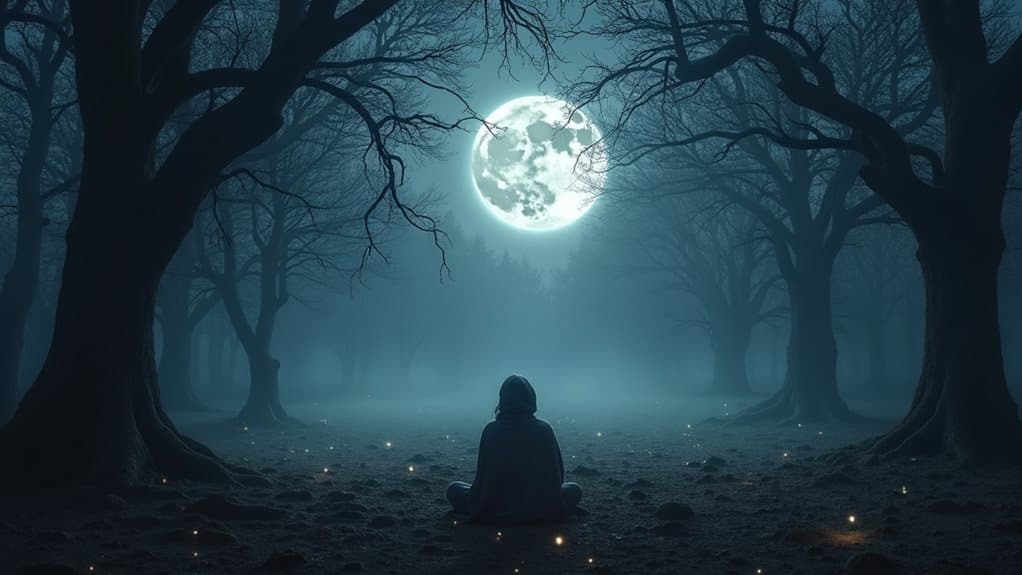
Overcoming nighttime fears involves establishing practical routines and environmental adjustments that promote a sense of safety.
During the witching hour, using nightlights or dim lighting can reduce shadows and darkness, easing fears.
Incorporating relaxation techniques like deep breathing or progressive muscle relaxation helps manage anxiety, making it easier to welcome the night and lessen the impact of nighttime fears.
Why Does Understanding the Witching Hour Matter Today?
Understanding the witching hour is important today because it helps us see how historical beliefs and cultural stories continue to influence modern perceptions of darkness and the unknown.
Recognizing the cultural fears surrounding this time can reduce sleep disturbances by clarifying the biological and psychological factors involved.
This knowledge promotes a clearer understanding of how folklore shapes contemporary views of nighttime anxieties.
Wrapping up
Understanding the witching hour reveals its roots in folklore, history, and cultural beliefs that have persisted over centuries. While scientific explanations suggest no supernatural basis, the hour remains a powerful symbol in literature, media, and spiritual practices. Recognizing these viewpoints helps you differentiate myths from reality and manage nighttime fears effectively. Ultimately, exploring this mysterious period deepens your awareness of how folklore influences perceptions of darkness and the unknown, emphasizing the importance of critical thinking in contemporary times.

Seraphina Lumina is a dream interpretation and symbolism researcher with a passion for exploring the connections between dreams, emotions, relationships, spirituality, and personal growth. She draws on traditional dream symbolism, psychological perspectives, and spiritual traditions to help readers make sense of their night-time experiences and the themes that may appear in them.