

You often see deceased loved ones looking younger in dreams because your mind prioritizes emotionally significant memories from their healthier years. These idealized images help soften grief and maintain a sense of connection. The brain’s REM activity reconstructs familiar, comforting versions of people, not as they were at death, but as they’re remembered in life. Cultural beliefs and subconscious processing further shape these visions. There’s more to uncover about how dreams support emotional healing.
The Prevalence of Post-Death Encounters in Dreams

You’re not alone if you’ve dreamed of someone who’s passed away—research shows these experiences are both common and deeply woven into the fabric of human grieving. These dreams often mirror our emotional processing of loss and can highlight unresolved feelings that still need attention.
Nearly half of Americans report such dreams, with rates rising among the recently bereaved. Women, Catholics, and Black Protestants report higher instances, suggesting cultural and gender influences shape how we experience loss. 46% of U.S. adults have been visited by a dead family member in a dream specifically.
How the Deceased Typically Appear in End-of-Life Visions
Often, the deceased appear in end-of-life visions not as they did in their final days, but rejuvenated and whole—restored to a state of health and vigor that contrasts sharply with their actual passing. They look younger, lively, and clothed nicely, never aged or ill. These figures are calm, never frightening, and often silently observe or gently beckon, offering comfort through their peaceful presence. In many accounts, this peaceful, youthful presence is experienced as a form of reassuring visitation that conveys ongoing love, guidance, and blessings from beyond.
The Role of Memory and Emotional Attachment in Dream Imagery
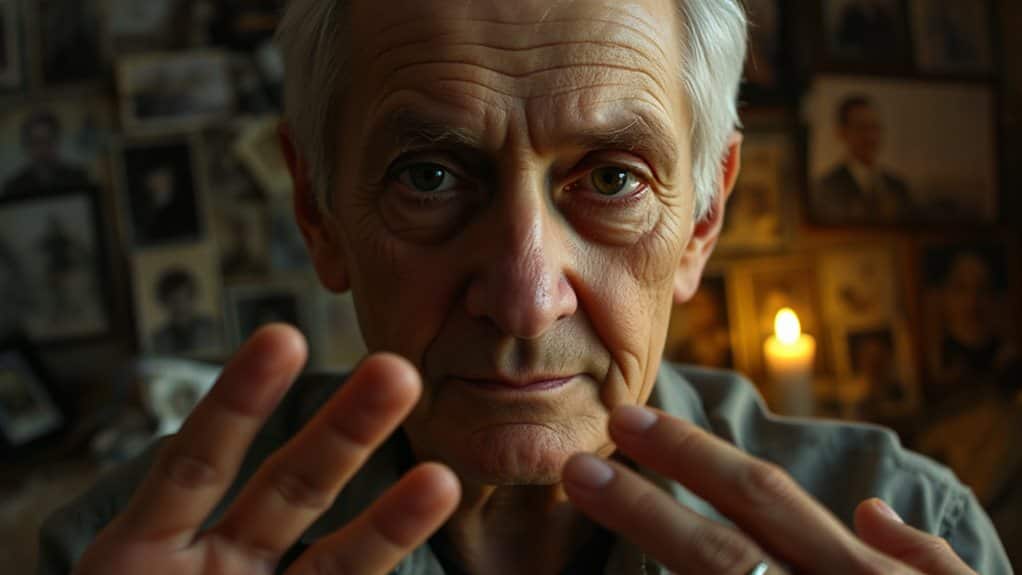
You often envision the deceased as younger because your mind holds onto idealized memories from emotionally significant times. Your emotional attachment strengthens these youthful images, making them more likely to surface in dreams. This preservation isn’t random—dreams favor vivid, affect-laden memories, especially those tied to deep personal connections. In the same way, powerful dream encounters such as visitation dreams of a deceased father hugging you are more likely to emerge when strong emotions, unresolved feelings, or a need for comfort and protection are active in your waking life.
Idealized Memory Recall
Something about the way memory works during sleep gives dreams their uncanny ability to preserve loved ones as we wish to remember them—often younger, healthier, and at peace.
You tend to recall idealized versions because your brain favors emotionally meaningful, vivid memories during NREM sleep. These dreams incorporate positive attachments, and your visual memory, mind-wandering, and sleep awakenings shape how clearly you remember them.
Emotional Attachment Influence
While your brain sifts through memories during sleep, the emotional weight of your relationships shapes how dream imagery forms—especially when it comes to lost loved ones.
Your attachment style influences dream content: if you’re anxiously attached, you may see vivid, intense scenes. Insecure attachment amplifies emotional imagery, often reviving idealized, younger versions of those you miss, shaped by unresolved feelings and REM’s memory processing.
Youthful Image Preservation
Memories tend to freeze people in time, especially those we’ve lost, and the version your mind recalls most vividly is often the one tied to strong emotional peaks.
You’re more likely to dream of them as younger because those images are deeply encoded. Emotional significance strengthens these early memories, making youthful representations feel more real and enduring in dreams.
Idealized Representations of Loved Ones in the Subconscious

You often envision your loved one as healthier and younger in dreams, not as they were at the end of life.
This idealized version reflects how your mind preserves cherished memories and softens the pain of loss.
It’s less about reality and more about holding onto who they truly felt like when they were alive.
In these moments, your subconscious may also be expressing emotional communication from the deceased through their peaceful, youthful presence rather than through words.
Idealized Imagery in Grief
A quiet distortion often shapes how you see the ones you’ve lost—not through the lens of their flaws or final days, but as perfected versions, softened by longing and stripped of pain.
You idealize them subconsciously, amplifying emotional resonance while blocking conflicting memories. This mental imagery reinforces yearning and can hinder grief integration, yet also offers comfort by preserving a sense of enduring connection.
Youthful Appearance Significance
Though the mind rarely replays the final, frail images of those who’ve passed, it often resurrects them in dreams at the height of their vigor—youthful, radiant, and unburdened by illness or age.
You see them smiling, strong, dressed well, embodying liveliness.
This isn’t fantasy; it’s your subconscious restoring their essence, offering comfort, clarity, and emotional resolution through idealized, enduring representations.
The Connection Between Grief and Youthful Dream Manifestations
Because dreams often preserve emotional truths rather than literal ones, the youthful appearance of deceased loved ones may reflect how the mind holds onto idealized or foundational memories during grief. You might dream of them young because those images represent stability, connection, or a time before loss. This mental reshaping helps maintain bonds, easing emotional processing without distorting reality. In some cases, this youthful image can mirror a longing for the comfort and security once felt in a grandparent’s home, symbolizing nostalgia, roots, and a continued sense of belonging.
REM Sleep and the Brain’s Construction of Lifelike Encounters

When you dream of a lost loved one looking younger, your brain is doing more than just replaying memories—it’s actively constructing lifelike scenes using the same neural machinery that operates when you’re awake.
During REM sleep, your medial temporal lobe surges with activity, stitching together familiar faces and places. Rapid eye movements capture dream snapshots, while visual circuits fire as they do in wakefulness, crafting vivid, filmic encounters you experience as real.
Hypnagogic and Hypnopompic States as Pathways to Visionary Experiences
You’re most likely to glimpse vivid, dream-like scenes as you drift into sleep or surface from it, riding the threshold between waking and dreaming known as hypnagogia and hypnopompia.
These states open brief windows where your mind blends reality with imagination, often producing visions that feel real yet carry a surreal, shifting quality.
Because your brain is highly receptive during these shifts, it can weave memories—like images of loved ones—into striking, youthful appearances that seem meaningful or comforting.
Threshold States and Visions
While you’re drifting off to sleep or just beginning to wake, your brain enters a fleeting yet vivid phase where reality and imagination blur—these are the hypnagogic and hypnopompic states, threshold zones that can open the door to brief, dreamlike visions.
You might see shapes, hear sounds, or feel a presence, but these aren’t dreams. They’re sensory fragments, common and usually harmless, occurring as your brain shifts between wakefulness and sleep.
Dream-Like Waking Encounters
These fleeting moments between sleep and awareness—hypnagogic as you’re settling into slumber, hypnopompic as you surface toward wakefulness—open narrow windows where the mind briefly straddles two states of being.
You experience vivid, dreamlike sensations while retaining partial awareness, often seeing shapes, people, or hearing sounds.
Unlike full dreams, these lack narrative and feel fleeting, yet they’re distinct from psychosis because you recognize they aren’t real.
Cultural and Spiritual Beliefs Shaping Afterlife Imagery

Though cultures differ in their descriptions of the afterlife, many share a striking vision of the deceased as youthful and radiant, unmarked by the wear of time.
You’ll find this idealized form echoed in Hindu and Buddhist teachings, where the true self transcends aging.
Near-death accounts and ancient myths alike reflect ageless souls, shaped by spiritual beliefs that raise essence over physical decay.
Psychological Comfort Through Idealized Reunions
Often, when you dream of someone who’s passed away, they appear not as they did in their final days but radiant and whole—restored to a healthier, younger version of themselves.
This idealized imagery offers psychological comfort, helping you process grief without severing emotional bonds.
These dreams often feel reassuring, allowing you to reconnect, find closure, or receive unspoken forgiveness—giving your mind the healing it needs.
Living-Well Dreams as a Stage in the Grieving Process
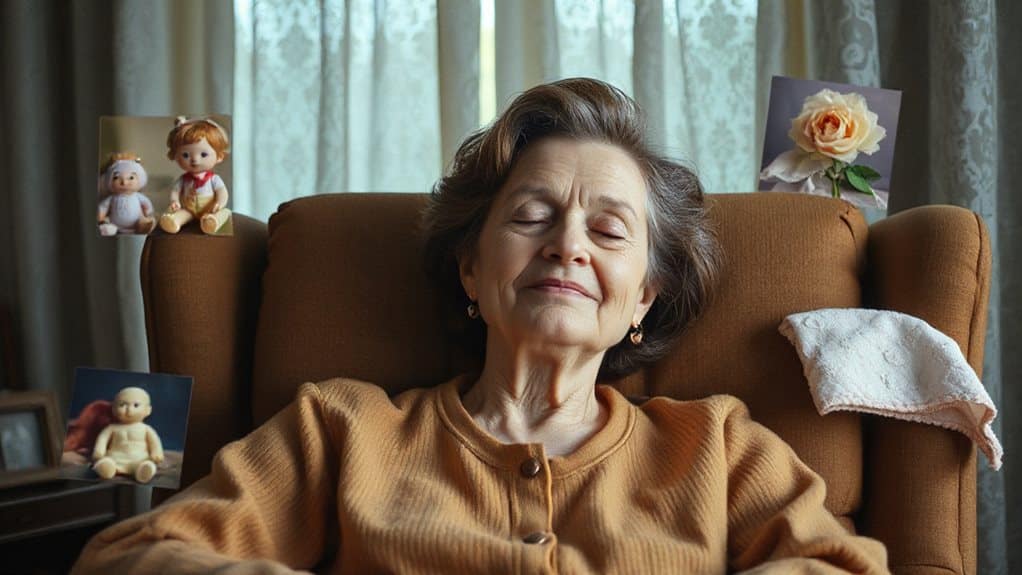
You may eventually notice that dreams about the deceased shift in tone and content, becoming less about loss and more about connection.
These “living-well” dreams often show the departed looking younger, healthy, and at peace.
They reflect emotional progress, aligning with Garfield’s stages of healthy grief.
Such dreams sustain bonds, offer comfort, and support emotional regulation, signaling adaptation rather than distress.
Scientific and Anecdotal Evidence Supporting Conscious Continuity
While dreams of the deceased often feel deeply personal, a growing body of evidence suggests they may reflect something more than mere memory or emotion.
You might notice how the dead appear younger, healthier—vibrant, even. These visions, distinct from delirium, carry emotional weight and meaning. Many report increased belief in an afterlife, interpreting them as real communications, not just dreams.
Wrapping Up
You often see deceased loved ones looking younger in dreams because your mind draws on vivid, emotionally charged memories from their healthier years. These idealized images provide comfort during grief, reinforcing a sense of continuity. Cultural beliefs and the subconscious reshape reality, favoring familiar, peaceful versions of the departed. Such dreams aren’t literal visits, but meaningful mental events that help you process loss, gradually guiding you toward acceptance.

Seraphina Lumina is a dream interpretation and symbolism researcher with a passion for exploring the connections between dreams, emotions, relationships, spirituality, and personal growth. She draws on traditional dream symbolism, psychological perspectives, and spiritual traditions to help readers make sense of their night-time experiences and the themes that may appear in them.