

You’re dreaming you’re half animal because your mind is working to balance identity and instinct. This hybrid form reveals suppressed drives—like aggression or intuition—seeking integration. It reflects inner duality, where rational thought meets primal impulse, often during times of change. These dreams tap evolutionary roots and feel vivid due to REM brain activity. Your animal half isn’t random; it’s a symbolic map of disowned traits. There’s more beneath the surface.
What It Means to Dream You’re Half Animal
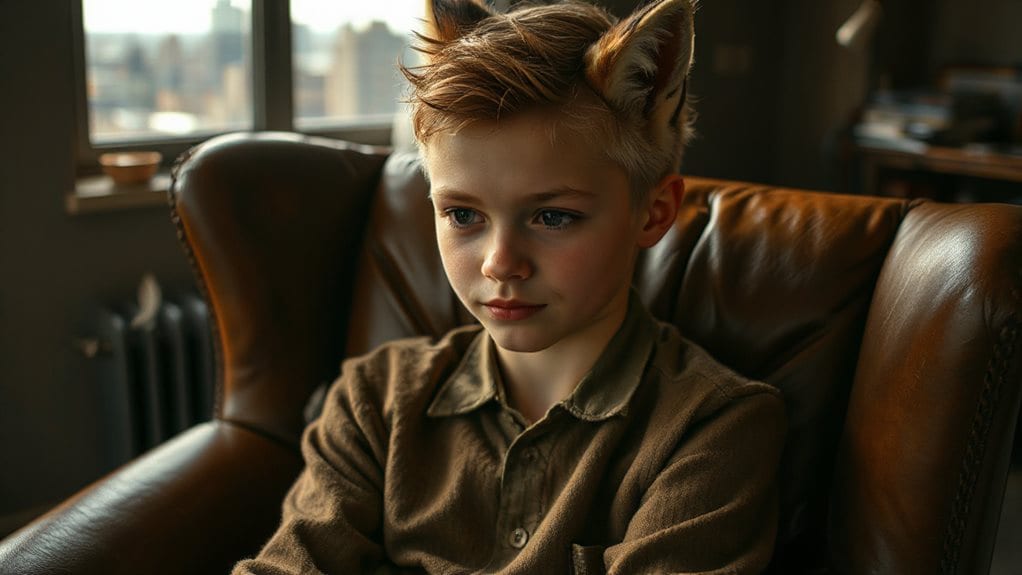
A sense of inner duality often takes vivid form when you dream of being half animal, blending human reason with primal instinct in a single body. Like the spider’s patient web-building, this hybrid form can mirror how you slowly weave together interconnected aspects of your nature over time.
You’re likely wrestling with identity, integrating suppressed drives, or steering social expectations versus raw impulses. The animal half reflects instincts or shadow traits—partially recognized but not yet owned.
Your feelings in the dream reveal how comfortably you’re embracing these wilder aspects of self.
This symbolic fusion may reflect the biological roots of archetypes, where evolutionary traits embedded in our unconscious shape how we perceive and integrate animal-like qualities within ourselves.
Do Animals Dream Like We Do?
You might wonder whether the animals in your dreams—those powerful, instinct-driven creatures—are experiencing dreams of their own. Yes, many animals likely dream, showing REM sleep and neural replay of daily experiences.
Rats replay mazes, birds rehearse songs, and cuttlefish display brain-controlled color changes. While their dreams may lack human-like narrative, the core functions—memory, learning—appear shared across species. In humans, dream experiences can even include vivid physical sensations like pain, highlighting how strongly the brain can simulate reality during sleep.
How Evolution Shapes Half-Animal Dreams
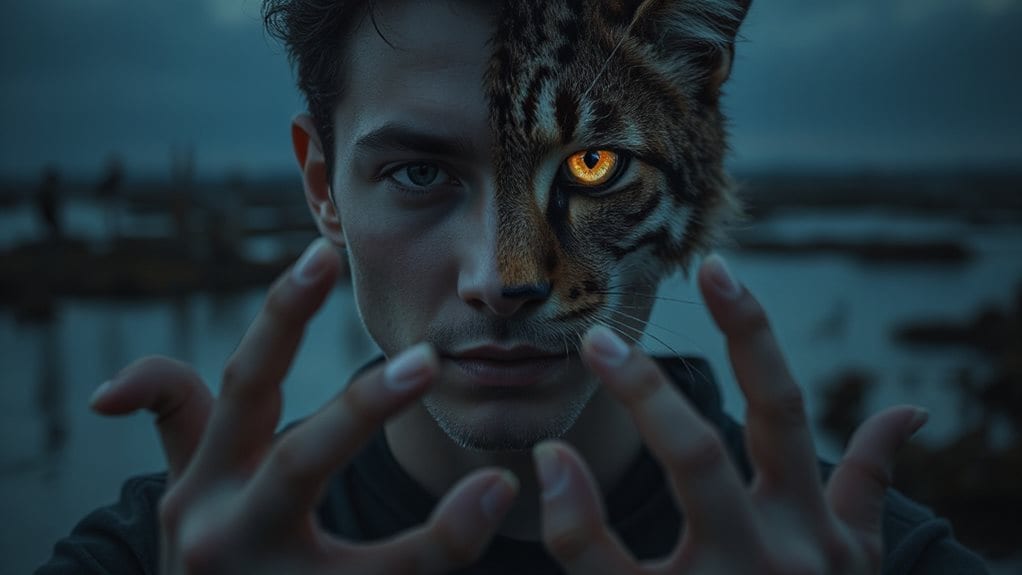
While your dreams may feel uniquely personal, the image of yourself as half animal likely taps into ancient mental patterns shaped by evolution.
You’re drawing on deep neural templates forged in ancestral environments, where human-animal hybrids helped rehearse survival skills. These dreams blend cognition with instinct, letting you test flight, fight, or stealth—offline simulations that once enhanced real-world adaptability across generations. In a similar way, dreaming of bears as spirit-guide encounters reflects how the mind uses powerful animal symbols to access inner strength, wisdom, and deep intuitive guidance.
Your Brain on Instinct: Why Animals Appear in Dreams
Your brain’s instinctive circuits stay active while you sleep, shaping dreams with animal imagery tied to survival.
When threats or strong emotions surface in dreams, your amygdala and hippocampus light up, turning animals into symbols of fear, safety, or urgency.
These creatures aren’t random—they’re your brain’s way of processing primal reactions, like running from danger or protecting someone you love.
In particular, dreams of wild animals attacking can reflect deep-seated fears and unresolved conflicts that your subconscious is actively trying to process.
Instinctual Brain Activation
Fire up the brain’s hidden circuits during REM sleep, and instinct takes the wheel. Your amygdala and hippocampus light up, priming fear and memory, while motor areas simulate action. With the prefrontal cortex offline, raw, automatic responses dominate.
PGO waves spark internal scenes—no real threat needed. You’re not just dreaming; you’re running ancient survival software in a safe, nightly simulation.
Dream Symbolism Origins
Because your brain draws from deep evolutionary layers during sleep, animal figures emerge in dreams not by chance but as echoes of ancient survival systems and symbolic structures shaped over millennia.
You inherit these images through cultural myths, unconscious drives, and archetypal patterns, where animals symbolize instincts, divine messages, or inner conflicts—blending biology, psychology, and tradition into meaningful dream encounters that reflect your primal and social self.
Are You Torn Between Human and Animal Selves?

You might feel torn between your human self and animal instincts, especially when dreams blur the line between reason and raw impulse.
These moments reflect a deeper psychological tension—your mind balancing societal expectations with primal urges.
Rather than a conflict, this duality can become a bridge, helping you integrate biological identity with conscious experience. By noticing how dreams of mixed identity mirror themes like overcoming challenges and inner conflict found in other dream symbols, you can better understand the ways your unconscious is pushing you toward growth and self-integration.
Inner Conflict Manifested
While you may think of yourself as fully human, psychological research suggests that your sense of self often includes hidden tensions between your human identity and your recognition of being an animal.
You care for animals yet may eat them, love pets while treating livestock as commodities.
This conflict can spark guilt or denial.
You might downplay animal minds to ease discomfort, or feel split between seeing yourself as both kin to animals and above them.
These inner struggles reflect deeper cultural divides shaping how you view your place in nature.
Instinct Versus Reason
When survival instincts flare up in the face of danger, your body often reacts before your mind has time to weigh the facts, revealing a deep tension between the primal and the rational parts of your brain.
Your amygdala fires, but your prefrontal cortex tries to intervene.
This push-pull shapes decisions, behaviors, and even dreams—especially when one side is chronically ignored or overruled.
Dreams As Identity Bridges
Because dreams often blur the line between body and symbol, they can turn the self into something half-recognized—part human, part animal—revealing deeper tensions in identity.
You use these hybrid forms to bridge social roles and instinctive urges, especially during life shifts. They reflect not confusion, but a natural negotiation between selves, helping you integrate disowned parts while maintaining continuity with your evolutionary past.
Life Changes and Half-Animal Dreams
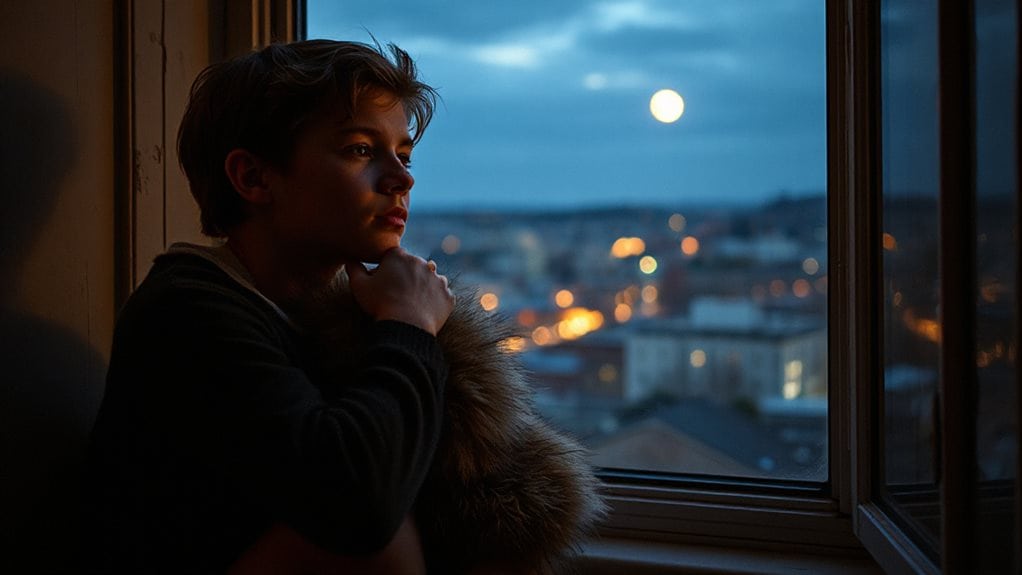
As you move through major life changes—like career shifts, relationship changes, or personal losses—your dreams may begin to reflect a deeper internal struggle, one where human identity meets animal instinct.
These half-animal dreams signal the need to integrate suppressed instincts, especially when rational strategies fall short.
They reveal emotional intricacies, awaken survival awareness, and highlight behavioral patterns, offering guidance through passage by reconnecting you with embodied wisdom and ancient psychological rhythms that support adaptation and growth.
What Your Animal Half Reveals About You
Your half-animal form reveals which instinctual drives are pushing for attention, whether it’s a need to protect, flee, or assert yourself.
You’re embodying a part of your identity that may feel hidden or undervalued, like suppressed strength or sensitivity.
This hybrid shape also exposes aspects of yourself you might reject or idealize, showing where your sense of authenticity is growing or stuck.
Instinctual Drives Surfacing
When your dream self emerges with fur, claws, or feathers fused to human form, it’s not random fantasy—it’s your psyche spotlighting instincts you’ve sidelined to fit in.
These hybrid visions reveal repressed drives surfacing, urging recognition.
You’re being prompted to reclaim lost parts of yourself, integrating raw, embodied energy with conscious thought.
Acknowledging these instincts cultivates balance, wholeness, and a deeper connection to your authentic nature.
Embodied Identity Explored
Though you may not realize it, the animal half that appears in your dreams isn’t just a random image—it’s a reflection of how you inhabit your body and move through the world.
It reveals your embodied identity, showing how posture, movement, and sensation shape your self-concept. This hybrid form highlights natural bodily truths, signaling preferred ways of being—grounded, agile, or guarded—and how you regulate, relate, and experience agency.
Hidden Selves Revealed
Because animal forms in dreams emerge from the depths of the unconscious, they often carry messages about parts of yourself you’ve overlooked or kept in the shadows. Your animal half reveals hidden traits—like repressed anger, creativity, or instinctual wisdom—seeking acknowledgment.
A serpent may signal metamorphosis, while a bear suggests a need for solitude. These figures reflect inner imbalances or untapped strengths, urging integration for wholeness.
Why These Dreams Feel So Real
While your body lies still, your brain surges with activity during REM sleep, mirroring the sharp neural rhythms of wakefulness and making dreams feel startlingly real.
Your hippocampus reactivates survival-linked theta patterns, replaying experiences with vivid sensory detail. This neural replay, combined with offline but intense cognitive processing, creates immersive simulations—so lifelike, you can’t distinguish them from reality until you wake.
Common Half-Animal Forms and Their Meanings
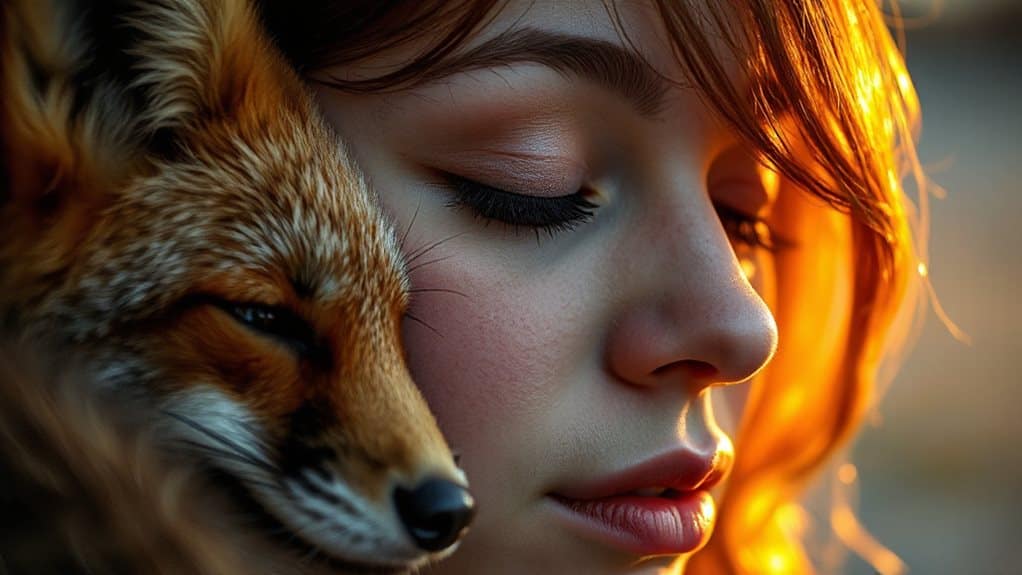
Step into the world of your half-animal dreams, and you’ll often find yourself shaped by powerful symbols rooted in instinct and psyche.
You might embody a werewolf, revealing repressed aggression or fear of losing control. A bird form suggests a pull toward higher understanding or freedom, while big cats point to dominance and courage. Centaurs reflect mind-body tension, and reptilian forms often signal change or hidden threats—each hybrid form mirrors an inner negotiation between self and instinct.
Use Your Half-Animal Dreams for Self-Discovery
When you dream of being half animal, you’re not just encountering a strange image—you’re meeting a part of yourself that operates beyond words and social rules.
You can use these dreams to uncover repressed instincts, map emotional patterns, and investigate disowned traits.
Wrapping Up
You’re not alone in dreaming you’re half animal—these visions tap into deep instincts shaped by evolution. Your brain blends identity and survival impulses, often revealing inner conflicts or hidden traits. Such dreams feel real because they engage primal neural pathways. Whether part wolf, bird, or snake, the form matters less than what it represents. Use these dreams to investigate your instincts, not escape them. They’re clues, not curses.

Seraphina Lumina is a dream interpretation and symbolism researcher with a passion for exploring the connections between dreams, emotions, relationships, spirituality, and personal growth. She draws on traditional dream symbolism, psychological perspectives, and spiritual traditions to help readers make sense of their night-time experiences and the themes that may appear in them.