

You suppress anger during the day, and your brain reactivates it at night, often during REM sleep when emotional control weakens. Unexpressed rage fuels intense dreams or nightmares, using threat simulations like chases or attacks to process unresolved feelings. Physical tension, like jaw clenching, may also emerge. These dream experiences act as subconscious rehearsals, attempting emotional regulation. Nighttime patterns reflect deeper emotional loops—ones that can shift with awareness and intervention. There’s more beneath the surface worth uncovering.
How Suppressed Anger Fuels Nightmares and Intense Dreams

When you push anger aside during the day, it doesn’t just disappear—it often resurfaces at night in the form of intense dreams or nightmares, a phenomenon known as the *dream rebound effect*.
Your brain replays suppressed emotions during REM sleep, especially anger, when cognitive control relaxes. This emotional rebound helps process unresolved conflicts, but can amplify negative dream content, leading to vivid, distressing experiences that reflect your unmet emotional needs. Research shows that individuals who suppress negative emotions experience more negative dream emotions as a result of this overnight processing. In this way, anger-related dreams function as mirrors of the soul, offering critical glimpses into your inner world and signaling a need for emotional change.
What Happens When You Bottle Up Anger During the Day
When you bottle up anger during the day, your mind doesn’t just file it away—it often rebounds at night, turning suppressed frustration into vivid or unsettling dreams.
That hidden rage doesn’t vanish; instead, it can amplify during sleep, distorting memories and emotions into intense dream scenarios where anger finally surfaces.
Even your body might react, carrying the day’s tension into restless sleep, clenched jaws, or physical restlessness, as if your nervous system is still bracing for a fight you never had.
Emotional Rebound In Dreams
Though you might push anger aside during the day, it doesn’t vanish—it often resurfaces in your dreams with surprising clarity. Your brain replays suppressed emotions, especially anger, more intensely at night. This rebound effect increases negative dream content, helping process unresolved feelings.
Over time, this may reduce emotional charge, offering a quiet, subconscious path toward regulation and adaptation—like your mind’s way of settling unfinished business while you sleep.
Anger Amplified During Sleep
Because your brain doesn’t file away anger like a document you can ignore, that frustration you hold back during the day often flares up more vividly once you’re asleep.
Sleep loss weakens your brain’s control over emotions, letting anger surge in dreams. Bottled-up stress lowers your threshold for rage, turning small dream events into intense outbursts, creating a cycle where poor sleep fuels angrier reactions.
Physical Echoes Of Hidden Rage
Clench your jaw during a tense meeting, shrug off an insult with a tight smile, or swallow the retort burning in your throat—each act of emotional restraint leaves a trace far beyond the moment.
Your back tightens, your heart races, and inflammation quietly builds. Suppressed anger lingers in muscle tension, raised blood pressure, and disrupted sleep, creating a physical echo that shapes your health, often without you noticing—until it demands attention.
Why Dreams Rebound With Unexpressed Emotions
When you push down anger during the day, your brain often throws it back at you at night, especially during REM sleep.
Without the usual rational control from the prefrontal cortex, suppressed emotions find a voice in dreams, turning into vivid, sometimes unsettling scenes.
It’s not just random—it’s your mind’s way of handling what you couldn’t face while awake.
These intense images often act as a cathartic expression, helping you safely process unresolved anger, guilt, or power struggles that were left unaddressed during the day.
Emotional Backlash During Sleep
While you’re asleep, your brain doesn’t just shut down—it actively sorts through the emotional clutter you’ve accumulated during the day, especially feelings you’ve pushed aside while awake.
When you suppress anger while conscious, your brain may amplify it during REM sleep, turning unresolved tension into vivid, angry dreams. Reduced prefrontal control and heightened limbic activity allow buried emotions to surface, creating a nightly emotional backlash that reflects your waking emotional burdens.
Unresolved Feelings Take Shape
Because your mind never truly switches off, the emotions you set aside during the day—especially anger—often resurface in dreams with surprising clarity.
When you suppress rage or frustration, it doesn’t vanish; instead, it reemerges in dream narratives as symbolic conflict. Reduced prefrontal control during REM sleep allows buried feelings to surface, turning unresolved anger into vivid, often disturbing scenes that reflect your inner emotional terrain.
Why Your Brain Dreams in Anger

Though you mightn’t always recognize it during sleep, your brain can stir up anger in dreams through deeply rooted neural patterns that mirror how you handle emotions while awake. Your right frontal cortex shows more alpha activity during REM, signaling reduced control over limbic anger centers. When daytime suppression limits emotional release, dreams often become a playground for unresolved rage, shaped by weakened prefrontal regulation and heightened amygdala responses. This emotional spillover can be intensified during false awakenings, when mixed dream–wake awareness and threat-focused dream content amplify the brain’s processing of suppressed anger.
Nightmares as Emotional Pressure Valves for Rage
You mightn’t realize it, but your nightmares often act like pressure valves, releasing the rage you suppress during the day. When stress or unresolved anger builds up, your dreams can amplify those feelings into intense, symbolic scenarios—letting you express hostility without real consequences. This nighttime discharge isn’t random; it’s your brain’s way of trying to process emotions that never got fully resolved while awake. In this way, torture imagery in dreams can serve as a symbolic release of built‑up stress, conflict, and unexpressed anger.
Nightmares Release Pent-Up Rage
While you might think nightmares are just scary stories your brain tells at night, they often carry emotions far more complex than fear—especially anger. You experience physical aggression or conflict in dreams not by chance, but as expressions of suppressed rage.
Your brain’s frontal alpha asymmetry links dream anger to waking anger regulation, suggesting nightmares may release pent-up emotions—though not always with relief, since unresolved feelings can linger and intensify.
Dreams Process Hidden Anger
Because suppressed anger often escapes notice during waking hours, it finds a voice in the theater of sleep, where dreams act as pressure valves for unexpressed rage.
Your brain processes hidden anger during REM, when reduced control allows buried emotions to surface.
Studies link emotional suppression to recurring nightmares, showing how unprocessed rage fuels both psychological distress and physical symptoms, revealing dreams as vital outlets for unresolved inner conflict.
How Suppressed Anger Triggers Threat Simulations in Dreams
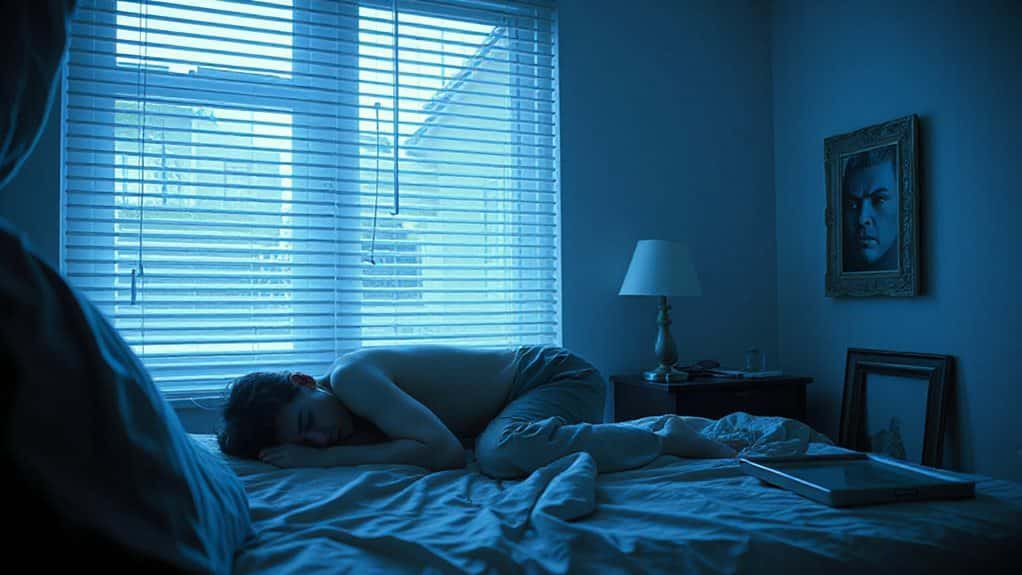
When unresolved anger lingers beneath the surface during waking hours, it doesn’t simply vanish at bedtime—it fuels the brain’s threat-detection systems during sleep. Your suppressed anger heightens arousal, priming emotional memory networks. During REM sleep, these memories reactivate, converting anger into realistic threat simulations like chases or attacks. Your dreaming brain rehearses danger responses, using past emotional intensity to sharpen survival skills, even when the original anger remains unexpressed. These threat-driven dreams can also expose deep-seated anxieties and unresolved conflicts, signaling areas of emotional and boundary stress that may need attention.
Bruxism, Jaw Pain, and Anger-Fueled Dreams
Your brain doesn’t just process anger in dreams—it sometimes acts it out, physically.
You clench or grind your teeth, often unknowingly, as suppressed anger fuels sleep bruxism.
This jaw tension links to emotional arousal, manifesting as pain, tooth wear, or morning stiffness.
Dreams may replay your frustration, turning inner conflict into physical action—your jaw becomes the battleground for unresolved emotion.
How Suppressed Anger Ruins Your Sleep

While you might think of anger as something you simply set aside during the day, keeping it bottled up can quietly undermine your sleep in more ways than one.
Suppressed anger fuels emotional hyperarousal, making it harder to fall and stay asleep. It triggers rumination, disrupts sleep framework, and fragments your rest—leading to unrestful nights, next-day irritability, and a stubborn cycle of insomnia and anger that’s tough to break.
The Physical Toll of Unresolved Suppressed Anger
Bottling up anger doesn’t just disrupt your nights—it takes a measurable toll on your body over time.
You keep your sympathetic nervous system active, raising cortisol and catecholamines, which wear down organs and weaken immunity.
Chronic suppression fuels inflammation, hypertension, and muscle tension, increasing risks for heart disease, pain, and digestive issues.
Over time, these changes aren’t just stress responses—they’re lasting damage.
How Dreams Help Your Brain Process Suppressed Anger

When your mind slips into REM sleep, it doesn’t just rest—it gets to work unpacking the emotions you’ve pushed aside, especially anger you’ve suppressed during the day.
Your brain reactivates angry memories safely, using heightened limbic and prefrontal activity to reprocess and soften their edge. Dreams weave these feelings into older experiences, helping you integrate and gradually defuse them—like overnight therapy, quiet and precise.
Nightmares as Signs of Unresolved Emotional Trauma
Because your brain doesn’t just shut down at night—it keeps sorting through emotional debris—you might find that recurring nightmares aren’t random scares, but signals of deeper, unresolved trauma.
They often replay fear, helplessness, or loss, linking strongly to PTSD and early adversity. Frequent nightmares can predict mental health struggles, making them useful clues, not just bad dreams.
Breaking the Cycle of Anger-Fueled Nightmares
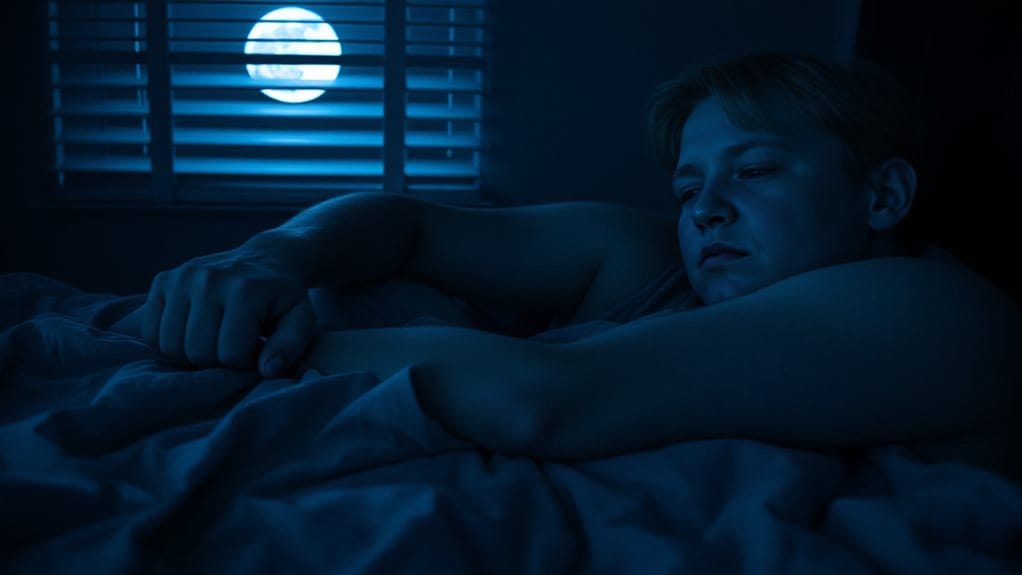
Amid the quiet of night, your sleeping mind may still be wrestling with the unresolved anger you thought you’d left behind during the day.
You can break this cycle by managing daytime stress and improving emotional regulation. Techniques like imagery rehearsal and cognitive restructuring help rewrite angry dream patterns.
Better sleep hygiene and worry management reduce nighttime arousal, giving you clearer, calmer rest—night after night.
Wrapping Up
You carry suppressed anger into sleep, and your brain doesn’t ignore it. Instead, it processes unresolved rage through dreams, sometimes turning it into nightmares. These aren’t random—they’re signals, emotional pressure valves working overtime. Ignoring daytime emotions doesn’t erase them; it just shifts the battlefield to your subconscious. Recognizing this cycle helps you address the root cause, not just the symptoms. You’ve got the power to break it.

Seraphina Lumina is a dream interpretation and symbolism researcher with a passion for exploring the connections between dreams, emotions, relationships, spirituality, and personal growth. She draws on traditional dream symbolism, psychological perspectives, and spiritual traditions to help readers make sense of their night-time experiences and the themes that may appear in them.