

You’re walking an endless hallway in your dream, and it’s no accident—this symbol often reflects feeling stuck during life’s changes. Repetitive turns suggest unresolved decisions, while limited visibility mirrors focus on immediate steps over distant outcomes. Such dreams frequently arise with anxiety about choices or fear of the unknown. They may also highlight patterns you haven’t confronted. Recurring motifs like this often signal deeper inner work needed—there’s more beneath the surface waiting to be uncovered.
The Hidden Meaning Behind Endless Hallways
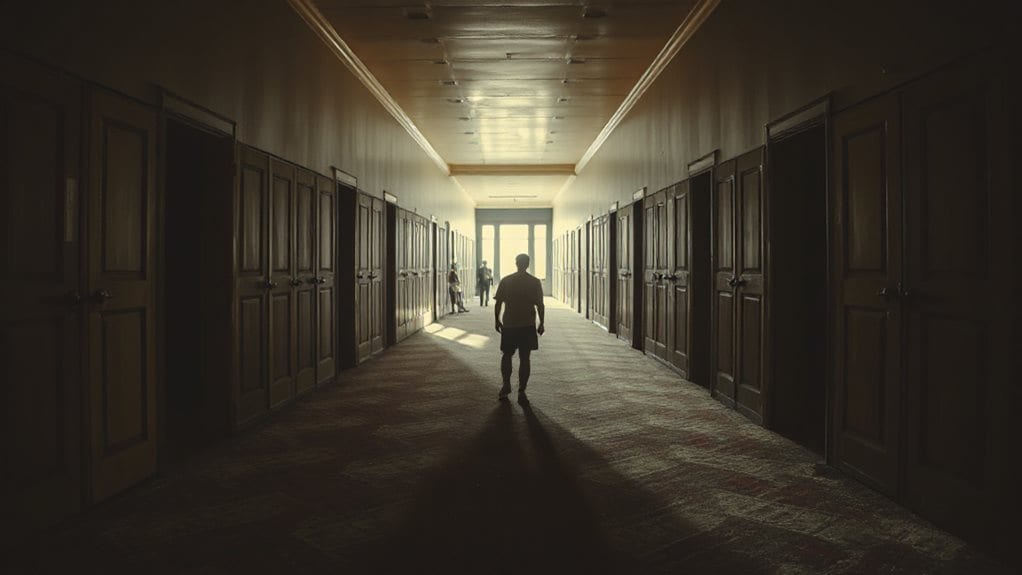
While you may not realize it at first, endless hallways in dreams often serve as powerful symbols of change—bridging where you’re now and where you’re headed, both mentally and emotionally.
They reflect shifts, decision overload, or anxiety about choices. Twists suggest detours; closed doors, missed chances. Just like dreams of houses with many rooms, they can highlight personal growth by pointing to unexplored aspects of your inner life.
Recurring loops hint at unresolved issues needing attention, not escape.
Hallways narrow visibility compared with other transitional symbols, making it harder to see what lies ahead and emphasizing the need to focus on immediate guidance rather than distant outcomes.
When the Mind Feels Trapped in a Maze
When your thoughts spiral into repetition and every mental turn feels familiar yet futile, you’re likely steering an emotional chaos maze—one where fear, anxiety, and unresolved grief shape the walls around you.
You get stuck not because you’re weak, but because overthinking distorts clarity. Racing thoughts loop back, feeding panic. Yet pausing, breathing, and mindfully moving can disrupt the cycle, helping you spot exits hidden in plain sight. In many dreams where you can’t find a way out of a building, this same looping mental maze reflects feeling trapped by circumstances in waking life and signals it’s time to reassess your direction.
Navigating Anxiety and the Fear of the Unknown
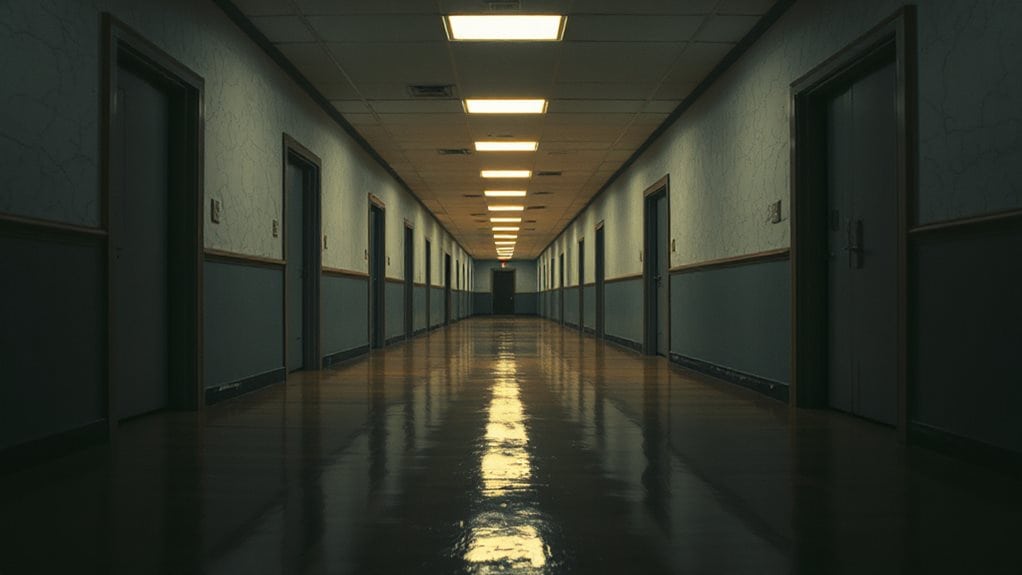
You’re wired to dislike uncertainty, and that’s not just a quirk—it’s a core driver of anxiety when the brain treats the unknown like a threat. Studies show people with higher intolerance for uncertainty feel more anxious, even when risks are low, because their minds overreact to unpredictable situations. These dream patterns can mirror stalled progress in waking life, where feeling unable to move forward or reach a destination fuels ongoing anxiety and self-doubt. But by leaning into uncertain paths instead of avoiding them, you can recalibrate your response and reduce the fear that keeps you stuck in those endless hallways.
Facing Hidden Fears
Because uncertainty fuels much of what makes anxiety so persistent, it’s no surprise that the fear of the unknown lies at the heart of many anxiety disorders.
You face hidden fears not as isolated quirks, but as reflections of deeper sensitivity to unpredictable threats. This shared trait, seen across panic and social anxiety, shapes how you respond to life’s ambiguous risks.
Embracing Uncertain Paths
Amid the fog of not knowing, your mind often works overtime to map out every possible outcome—usually the worst ones.
Yet embracing uncertainty can spark growth, creativity, and deeper self-awareness. By reframing detours and practicing mindful acceptance, you adapt more easily, make confident decisions, and open doors to unexpected opportunities that rigid plans often miss.
Recurring Dreams as Signals of Inner Conflict
You keep having the same dream because your mind is trying to get your attention, signaling a hidden conflict you haven’t fully faced.
These repeating dreams don’t just haunt you—they push you to resolve unresolved emotions or unmet needs, like feeling stuck, disconnected, or powerless.
When you finally address what’s beneath them, the dream often stops, showing you’ve made progress.
In many traditions, recurring dreams—like visions of falling trees or endless hallways—are also seen as subconscious cues about tension, anxiety, and emerging issues that need thoughtful, intentional change in waking life.
Hidden Conflicts Surface
When recurring dreams echo the same unsettling hallway or unresolved argument, they’re not just random nighttime noise—they’re signals pointing to hidden conflicts lingering beneath the surface.
You might avoid certain emotions or repeat unhealthy relationship patterns without realizing it. These dreams highlight what you’ve shelved, not solved—unmet needs, shadow traits, or past stresses now demanding attention, not dismissal.
Dreams Repeat for Resolution
Recurring dreams don’t just haunt your sleep—they push you to pay attention. They signal unresolved conflicts, often rooted in stress or past struggles, and reflect your mind’s attempt to process unmet needs like safety or control.
When emotional wounds linger, dreams repeat, using metaphors like chasing or falling. Resolving the underlying issue usually ends the loop—your mind, at last, at peace.
Shadow Aspects Demand Attention
Though you might prefer to ignore it, the shadow—the hidden corner of your personality filled with traits you’ve buried—often stirs in the background of your inner life, especially when dreams keep looping. These repetitions signal unresolved conflict, demanding attention.
Unacknowledged aspects like rage or shame leak into moods, behaviors, or projections, creating inner friction. Facing them isn’t easy, but it’s necessary for growth.
Life Transitions and the Labyrinth of Change
As you steer your thirties or forties, the path forward often feels less like a straight line and more like a shifting maze—especially when career changes become less about exploration and more about reinvention.
At 39, the average age for a pivot, you’re not alone: 32% of people your age considered a shift last year. With 29% having already switched fields post-college, reinvention is less exception and more expectation. Dreams about previous bosses can surface during these turning points, nudging you to resolve unfinished business and rethink how past work patterns are shaping your next move.
Confronting the Shadow in Narrow Passages
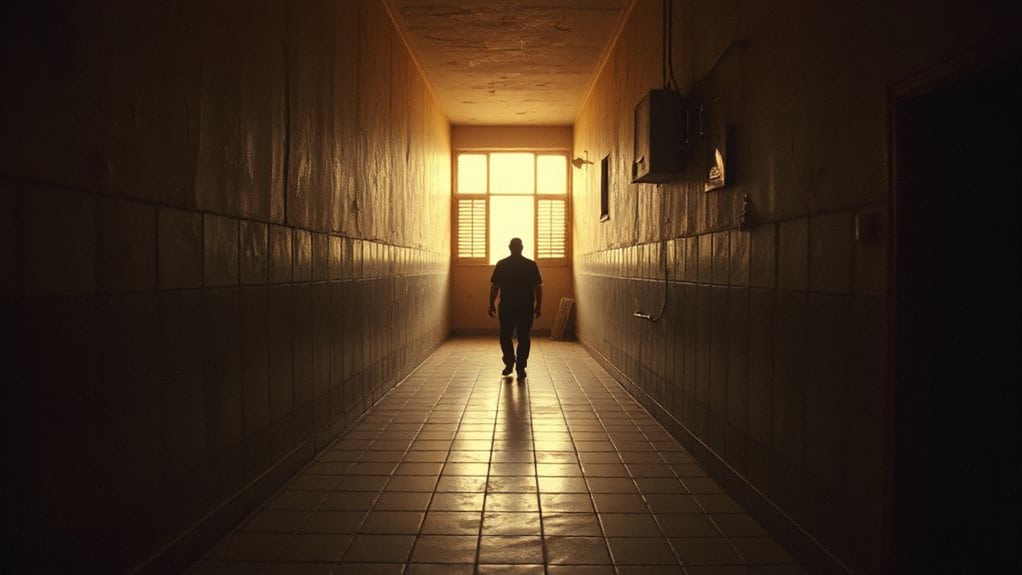
You’re walking a tight corridor in your dream, walls pressing close, light dim ahead—this isn’t just a setting, it’s a summons.
Jung saw such narrow passages as thresholds to the shadow, where hidden aspects of yourself await.
The constriction? A call to confront inner conflicts.
Welcome it; this passage demands introspection, not escape.
Growth follows when you face what’s buried.
Finding Light at the End of the Tunnel
When the walls of routine close in and progress feels out of reach, it’s easy to mistake stagnation for permanence—but data shows most people are traversing this same sense of being stuck. You’re not alone: 76% report feeling stalled, while 70% say career stagnation spills into personal life.
Yet control can be reclaimed. Shifting viewpoint, challenging limiting beliefs, and activating inner resources open paths forward, revealing light ahead.
Wrapping Up
You’re not alone when you find yourself in endless hallways, searching for an exit. These dreams often mirror real-life uncertainty or changes, where choices feel overwhelming and direction seems lost. They’re not random—they signal inner conflict, a mind working through stagnation. Recognizing this pattern helps you confront what’s unresolved. With awareness, you can shift from wandering to steering, turning confusion into clarity, one step at a time.

Seraphina Lumina is a dream interpretation and symbolism researcher with a passion for exploring the connections between dreams, emotions, relationships, spirituality, and personal growth. She draws on traditional dream symbolism, psychological perspectives, and spiritual traditions to help readers make sense of their night-time experiences and the themes that may appear in them.