

You’re chasing a demon in your dream because your subconscious is flagging unresolved inner conflict, often tied to past trauma, stress, or unaddressed guilt. The demon acts as a symbolic projection of negative energy, cognitive dissonance, or lingering fear, and the chase reflects the brain’s attempt to process these emotions during REM sleep. Sleep paralysis can amplify the terror, while repeated episodes suggest deeper psychological wounds. Understanding the symbolism and improving sleep hygiene may reduce the frequency, and further insight is available if you keep exploring.
Why Do You Have a Demon‑Chasing Dream?
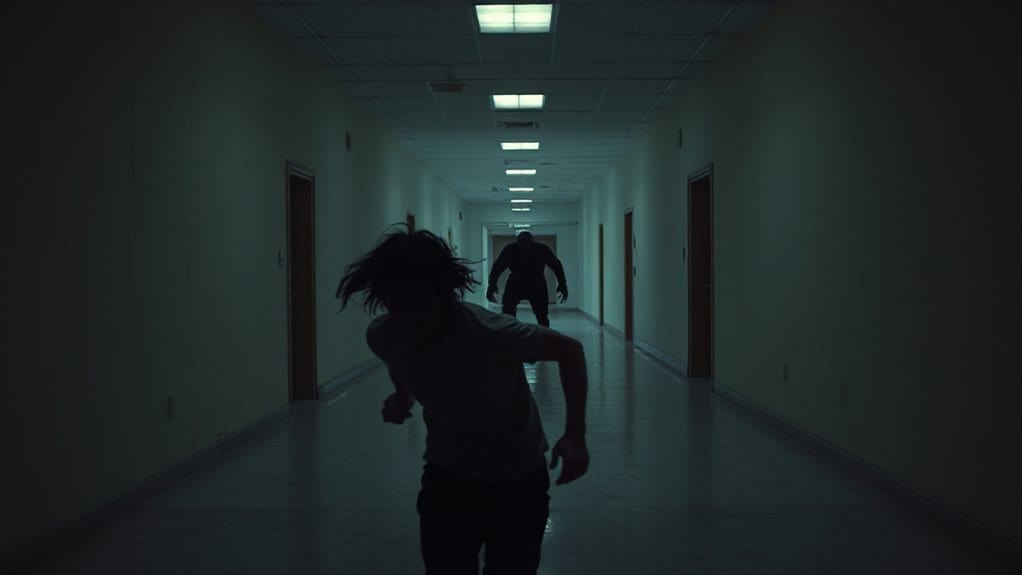
Why do you keep seeing a demon chasing you in your sleep? You may be entering a lucid state where angry figures turn demonic, a pattern linked to subconscious conflict. Experts note that repeated chase dreams often signal lingering trauma, generational curses, or unaddressed sin, especially if you feel paralysis or heaviness. Recognizing persistence helps discern whether the dream reflects psychological stress or a spiritual attack. In some spiritual traditions, such dreams are seen as a warning against unchecked materialistic excess or greed, echoing symbolic teachings found in tools like playing‑card divination. Lucid dreaming can banish repetitive nightmares through conscious choice.
What a Demon‑Chasing Dream Reveals About Your Inner Conflict
Seeing a demon chase you in a dream often points to a clash inside your mind, where opposing thoughts or emotions are locked in a persistent tug‑of‑war. This scenario signals inner turmoil—anger, self‑doubt, or unresolved relationship tension—manifesting as unyielding pursuit. The demon embodies negative energy you project onto yourself or others, highlighting cognitive dissonance and the need to reconcile conflicting beliefs. In some cases, this kind of dream can intersect with experiences like sleep paralysis, where the mind is awake but the body feels trapped, further intensifying the sense of fear and inner conflict.
How Childhood Trauma Triggers Demon‑Chasing Dreams
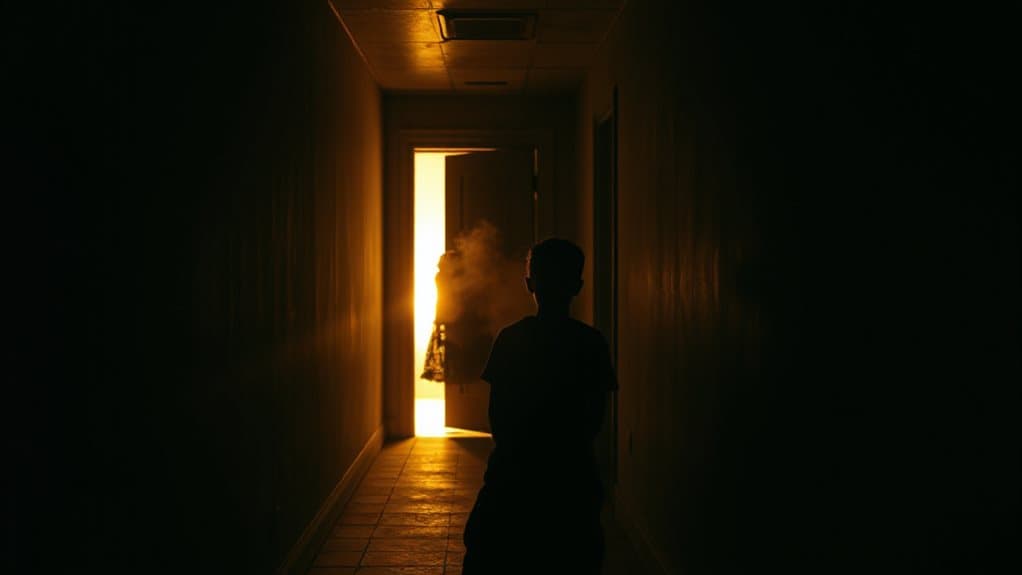
How does childhood trauma end up as a demon chasing you in your sleep? You’ve likely experienced abuse, neglect, or bullying that forged intense emotional memories.
Those memories heighten negative emotionality, which amplifies disturbing dream frequency.
The dreams then reflect internalizing symptoms—withdrawal, anxiety—and externalizing behaviors like aggression.
Research shows early trauma predicts adult psychosis and health problems, linking the “demon” to lingering psychological scars. In the same way that REM sleep emotions can surface as sleep‑laughing, unresolved traumatic feelings can similarly emerge as terrifying demon‑chasing dreams.
Practical Steps to Break the Cycle of a Demon‑Chasing Dream
Childhood trauma often leaves a lingering sense of threat that resurfaces at night as a demon chasing you, but breaking that cycle starts with concrete, evidence‑based actions. You can improve sleep hygiene by keeping a regular schedule, limiting screens, and creating a calming bedtime routine. Practice imagery rehearsal: rewrite the nightmare, rehearse the new ending while awake, and visualize calm. Incorporate daily stress‑reduction techniques such as mindfulness or progressive muscle relaxation. Understanding how sleep paralysis and blurred sleep‑wake boundaries can intensify fear‑based imagery may also help you reframe these demon dreams as brain‑generated experiences rather than real threats.
When Should You Call a Therapist About Persistent Demon‑Chasing Dreams?
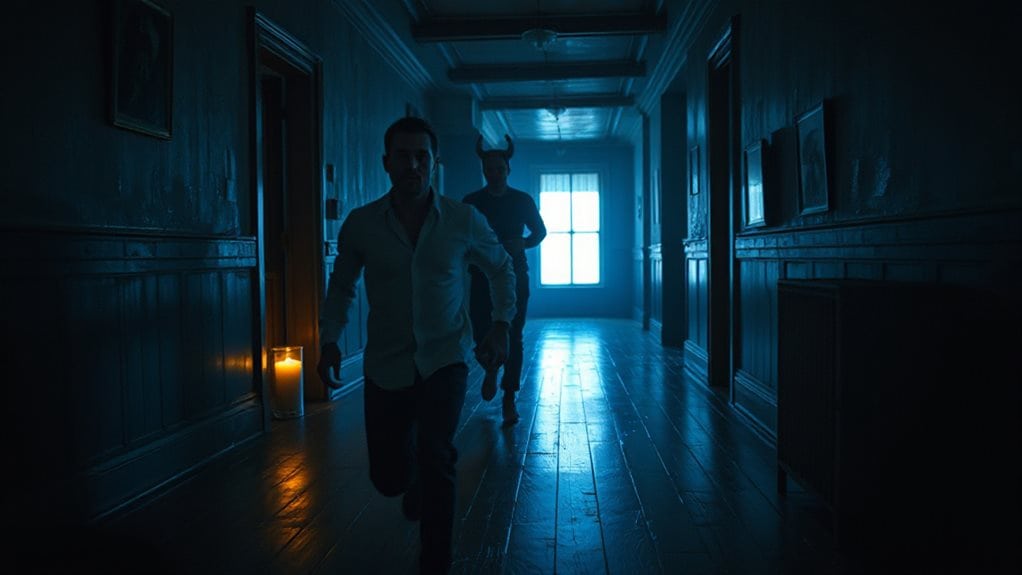
Why should you consider professional help when demon‑chasing dreams keep returning night after night? If they recur nightly, persist despite spiritual practices, or cause waking fear, they signal failed trauma integration and REM processing breakdown. When repetitive chase themes affect emotional regulation, disrupt sleep, or accompany PTSD‑like symptoms, consult a therapist promptly for assessment, possible lucid‑dream therapy, and integrated psychological‑spiritual support. Just as with recurring naked dreams linked to stress‑related emotional processing, frequent demon‑chasing dreams may reflect overwhelming anxiety that benefits from guided therapeutic intervention.
Wrapping Up
You’ve learned that demon‑chasing dreams often signal unresolved inner conflict, stress, or past trauma. Recognizing the pattern helps you pinpoint triggers and apply practical coping strategies, such as sleep hygiene, mindfulness, and targeted journaling. If the dreams persist, intensify, or impair daily functioning, professional guidance can provide deeper understanding and therapeutic tools. By addressing the underlying issues, you can reduce the frequency of these unsettling dreams and improve overall mental well‑being.

Seraphina Lumina is a dream interpretation and symbolism researcher with a passion for exploring the connections between dreams, emotions, relationships, spirituality, and personal growth. She draws on traditional dream symbolism, psychological perspectives, and spiritual traditions to help readers make sense of their night-time experiences and the themes that may appear in them.