

You experience sexual dreams as a common part of sleep, with nearly everyone reporting them at some point. They often reflect your desires, emotional concerns, or unmet needs, blending intimacy with subconscious processing. Men tend to report more frequent sexual dreams than women, though both genders occasionally experience arousal or orgasm during them. Emotions, personality, and daily life strongly shape content, linking dreams to waking experiences—especially around connection and self-understanding. Patterns in your dreams might reveal more than you realize.
What Are Sexual Dreams: and How Common Are They?

You’ve likely had a sexual dream, and you’re far from alone—research shows they’re a nearly universal experience. About 99.67% of people report them, with 45.2% calling them frequent. They make up roughly 8% of all dreams and are common across cultures. College students report high rates, and more than 70% of the general population has had one. Because these dreams arise during REM sleep, factors like sleep quality and timing of awakenings can influence how often you remember them. 8% of dreams contain sexual-related activity according to a large study of dream reports from men and women.
Do Men and Women Dream Differently About Sex?
You’ll likely notice that men and women don’t dream about sex in quite the same way.
Men tend to have more frequent sexual dreams with multiple partners, while women are more likely to dream about familiar faces or public figures, and their dreams run longer on average.
These differences aren’t just random—they reflect real patterns tied to biology, personality, and how each gender thinks about sex when awake.
In many cases, sexual dreams also mirror deeper unconscious desires about love, connection, and the need for emotional or romantic attention.
Gender Differences In Dreams
While both men and women experience sexual content in dreams, research shows clear gender differences in how often and how these dreams unfold.
You’ll find men report more frequent erotic dreams, often with multiple partners, while women more often dream of public figures or past lovers.
Orgasms occur in about 4% of dreams for both, yet emotional responses differ—disinhibition and gender norms shape how you experience and recall these intimate dream scenarios.
Dream Content By Gender
Men typically report more frequent sexual dreams than women, though both genders experience erotic content in about 8% of their everyday dream reports.
You’ll find intercourse most common, followed by kissing or fantasies. Men often dream of multiple partners; women more often of public figures.
Orgasms occur in roughly 4% of sexual dreams for both, yet emotional tone and partner identity differ noticeably.
What Content Appears Most in Sexual Dreams?

Sexual dreams often feature intercourse as the most common activity, appearing more frequently than other intimate acts.
You might also encounter propositions or kissing, which rank next in frequency.
Fantasies and masturbation occur too, with about 6% involving self-pleasure.
These elements reflect subconscious desires, often mirroring waking thoughts, and reveal how intimacy is examined mentally during sleep. In some people, sexual themes in dreams can even blend with sleep-laughing episodes, revealing how emotional processing during REM sleep can trigger both arousal and amusement.
How Do Emotions Shape Sexual Dream Intensity?
Dreams about intimacy often go beyond simple storylines of physical acts, pulling in deeper layers shaped by your emotions.
Your personality—like high sensation seeking or neuroticism—intensifies dream joy or bizarreness.
Anxiety and depression amplify aversive, vivid experiences, activating your sympathetic nervous system.
Physical responses like increased heart rate mirror stress reactions.
Waking emotional intensity, not just mood, shapes dream content, supporting the continuity hypothesis of emotional processing in sleep.
Emotional overload in waking life can also appear as sexual dreams colored by dream fatigue, signaling a need for rest and better self-care.
Does Waking Life Influence Sexual Dreams?

Your waking life doesn’t just fade away when you fall asleep—it spills into your dreams, shaping their content in ways that feel surprisingly personal.
Your sexual dreams often reflect daily concerns, fantasies, and experiences. What you enjoy or worry about while awake—like relationships or intimacy—frequently appears in dreams.
Even emotions and sexual activity influence dream content, sometimes compensating for unmet desires or echoing real-life attitudes.
In the same way, intense emotional states such as feeling overwhelmed or deeply responsible for others can surface as symbolic dream themes like saving someone from drowning, revealing how your subconscious processes stress, empathy, and inner conflict.
What Traits Link to Frequent Sexual Dreams?
You’re more likely to experience frequent sexual dreams if certain personality traits or background factors shape your inner world. Openness and neuroticism increase erotic dream frequency, while agreeableness lowers it.
You may also score higher on borderline or narcissistic traits, and adverse family dynamics—like paternal abuse—can play a role. These dreams often reflect inner emotional patterns more than mere desire.
Do Sexual Dreams Reflect Real-Life Desires?
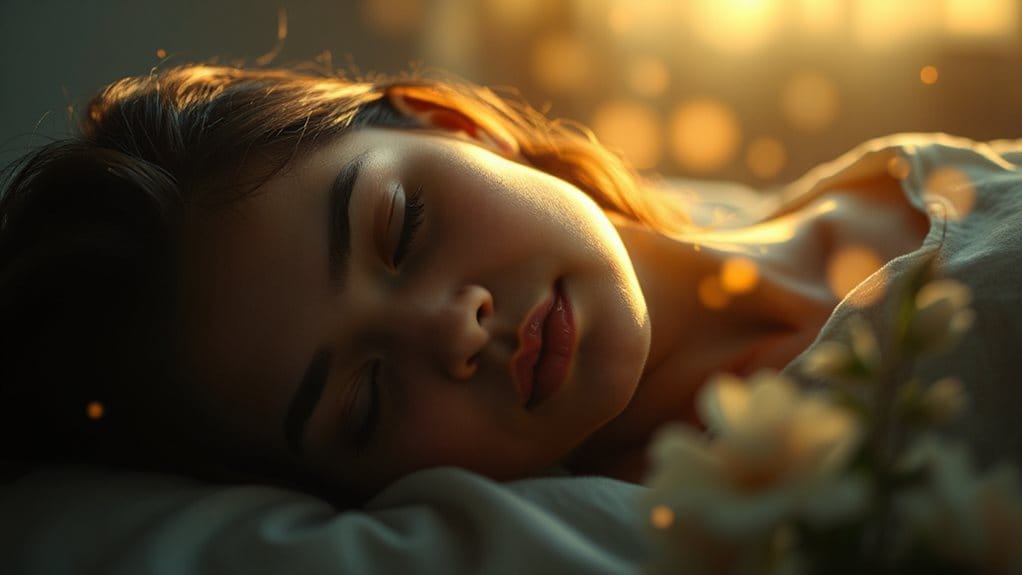
While not every steamy dream sequence points directly to a hidden longing, research suggests that sexual dreams often do mirror real-life desires, at least in part.
Your erotic dreams likely reflect waking sexual concerns, fantasies, or unmet needs. They may symbolize intimacy, personal growth, or repressed aspects of self, shaped by culture and personality.
Wrapping Up
You experience sexual dreams more often than you might think, and they’re a normal part of sleep for most people. These dreams reflect subconscious thoughts, emotions, and real-life experiences, not just hidden desires. While men report them slightly more, both genders encounter them regularly. Emotions, stress, and relationships shape their content and intensity. Ultimately, they offer understanding into your inner world, blending memory, desire, and imagination in ways that feel personal—even intimate—without always meaning what you assume.

Seraphina Lumina is a dream interpretation and symbolism researcher with a passion for exploring the connections between dreams, emotions, relationships, spirituality, and personal growth. She draws on traditional dream symbolism, psychological perspectives, and spiritual traditions to help readers make sense of their night-time experiences and the themes that may appear in them.